neco 2025 biology | Essay

Prepare for your exams with neco questions? Reviewing past/model questions is one of the most effective ways to guarantee a high score. This practice hub features authentic 2025 biology (Essay) questions designed to simulate the real exam environment.

Practice these randomly selected questions to test your readiness.
Question 1 View Details
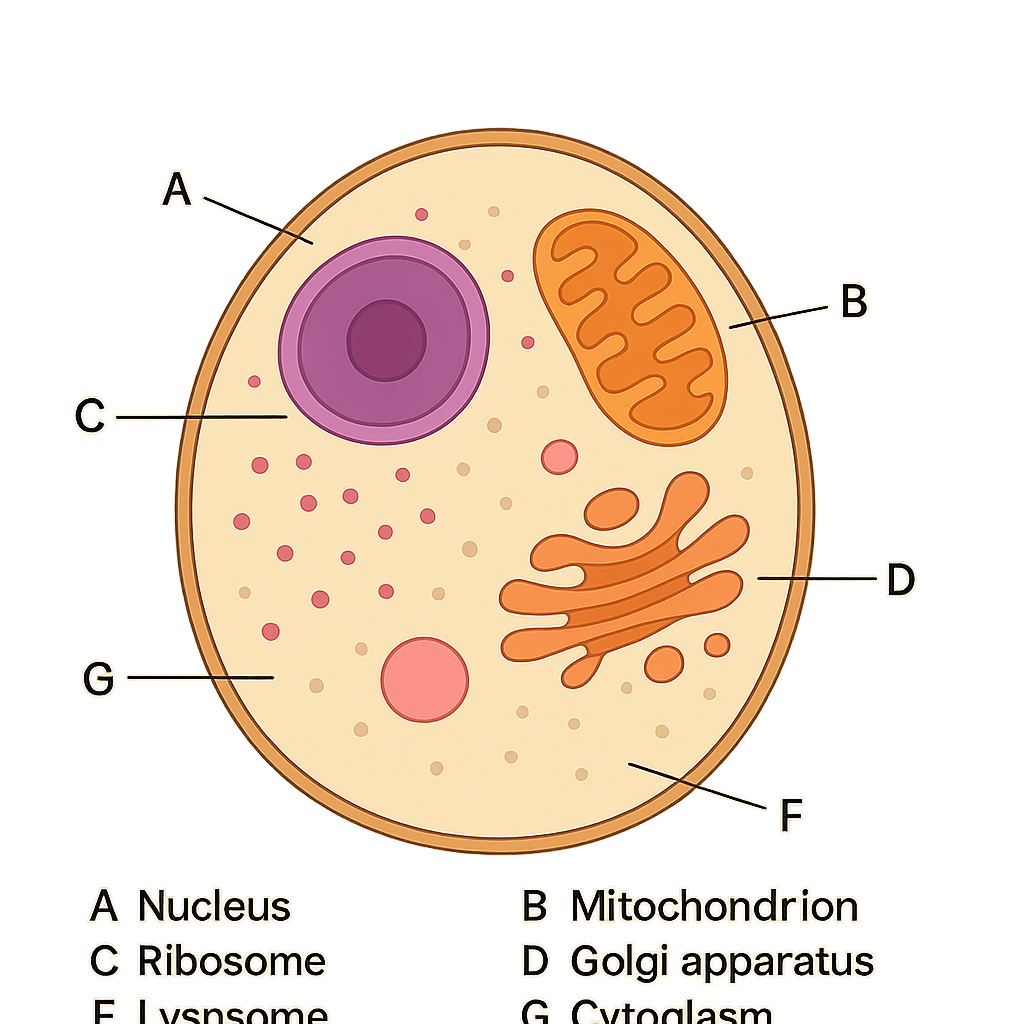
The diagram shows a typical animal cell with the structures labelled A–G.
Question Parts
(a)
State the function of each labelled structure.
(b)
Explain how the structure of the cell membrane contributes to its selective permeability.
(c)
A student claims that the cell can survive without lysosomes. Using your knowledge, evaluate this claim.
Detailed Essay Solution & Marking Scheme Available

Get the step-by-step mathematical proofs, key points required by examiners, and a comprehensive breakdown from our AI Tutor.
Question 2 View Details
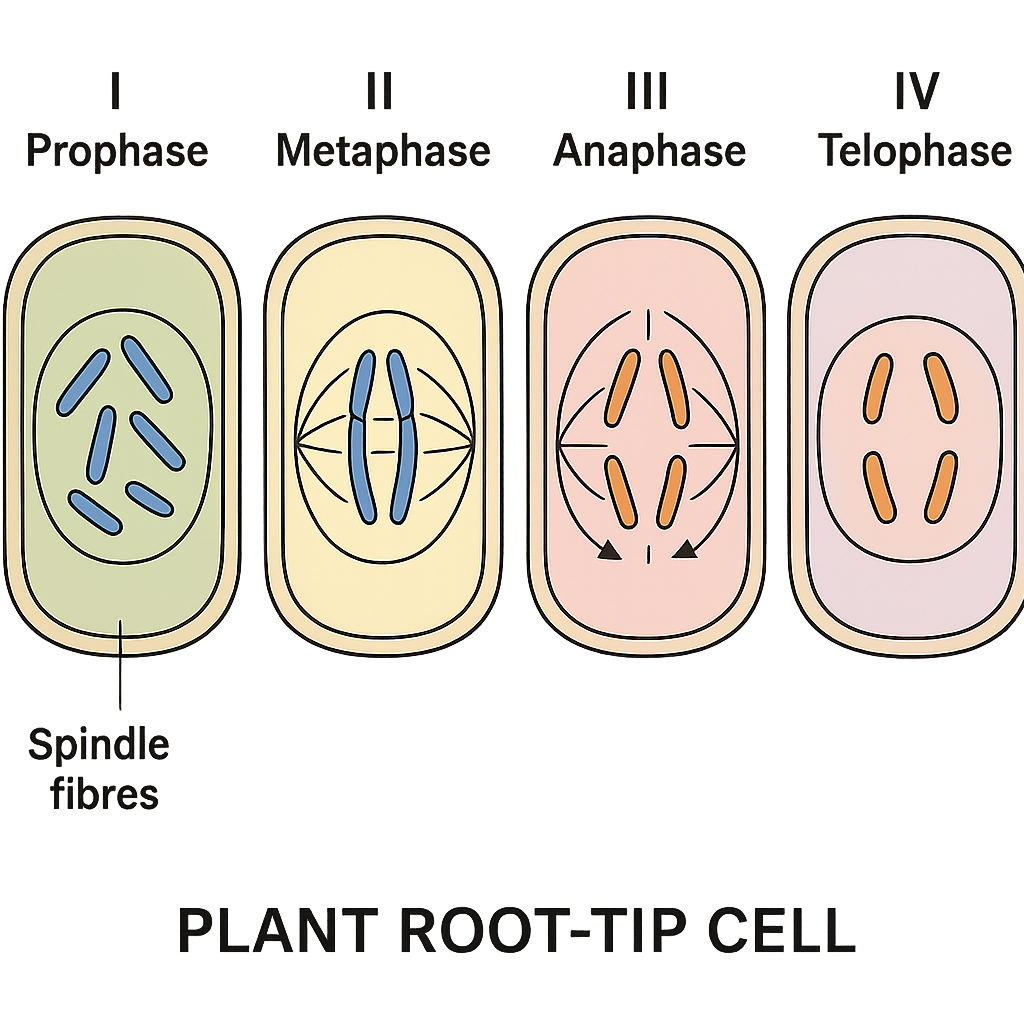
The diagram depicts the stages of mitosis in a plant root‑tip cell, each stage being labelled I–IV.
Question Parts
(a)
Arrange the stages in their correct chronological order and state one key event that characterises each stage.
(b)
During which phase does crossing‑over occur? Justify why it does not occur in mitosis.
(c)
If a mutation caused the spindle fibres to fail to attach to chromosomes during metaphase, predict the likely consequence for the daughter cells.
Detailed Essay Solution & Marking Scheme Available

Get the step-by-step mathematical proofs, key points required by examiners, and a comprehensive breakdown from our AI Tutor.
Question 3 View Details
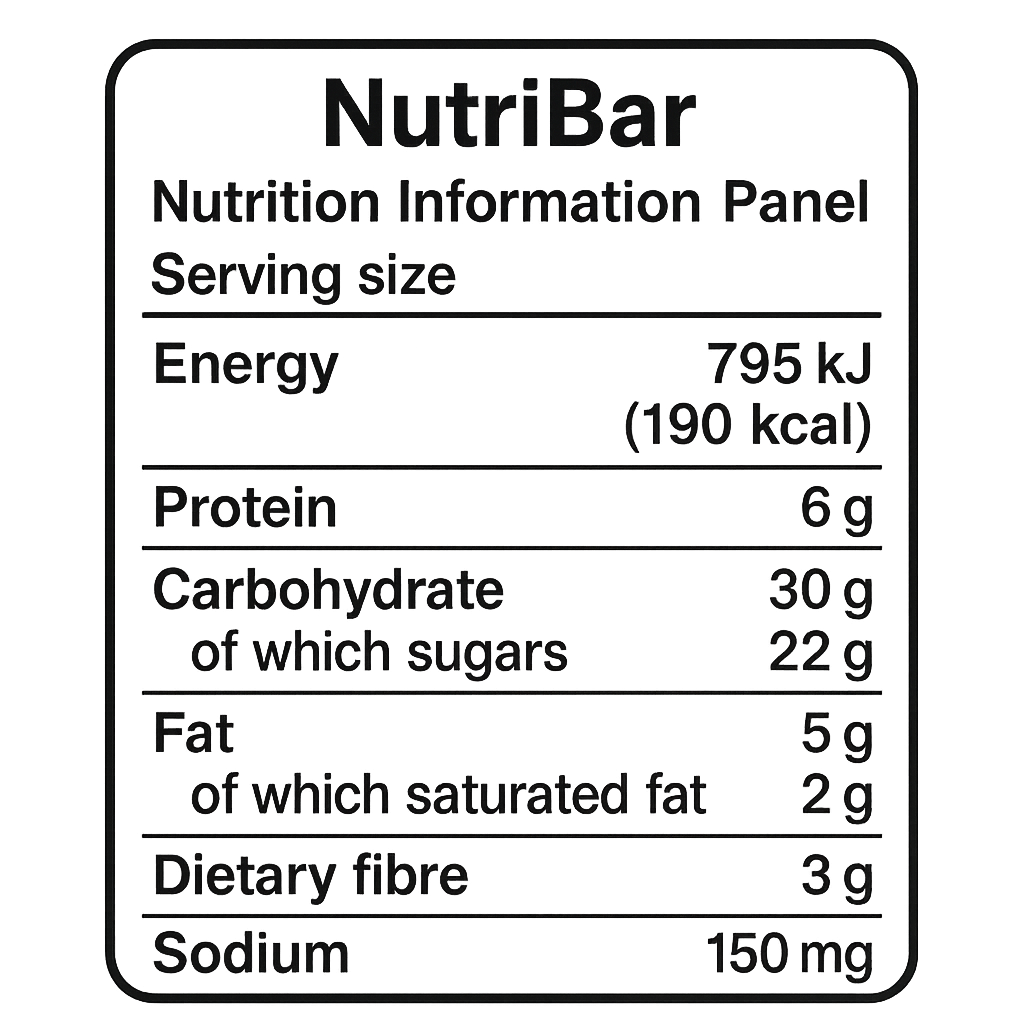
The diagram shows the nutrition information panel of a ready‑to‑eat cereal bar (NutriBar) per 50 g serving.
Question Parts
(a)
Calculate the percentage of the Recommended Daily Intake (RDI) for an adult (based on a 2000 kcal diet) that a single serving provides for each of the following nutrients: Energy (kcal), Protein, Carbohydrate, Sugars, Fat, Saturated Fat, Dietary Fibre and Sodium. Use the RDI values: Energy = 2000 kcal, Protein = 50 g, Carbohydrate = 300 g, Sugars = 90 g, Fat = 70 g, Saturated Fat = 20 g, Fibre = 30 g, Sodium = 2000 mg.
(b)
From the percentages obtained in part (a), identify which nutrient(s) exceed 20 % of the RDI and discuss the possible health implications of regularly consuming this cereal bar as a snack.
(c)
The manufacturer wishes to reformulate the bar so that its sugar content is less than 10 % of the RDI while keeping the total carbohydrate content unchanged at 30 g per serving. Determine the maximum amount of sugars (in grams) allowed per serving and the amount of non‑sugar carbohydrate that must be present.
(d)
Suggest two realistic ingredient modifications that could achieve the sugar reduction identified in part (c) without significantly affecting the protein content, and briefly explain how each modification would work.
Detailed Essay Solution & Marking Scheme Available

Get the step-by-step mathematical proofs, key points required by examiners, and a comprehensive breakdown from our AI Tutor.
Question 4 View Details
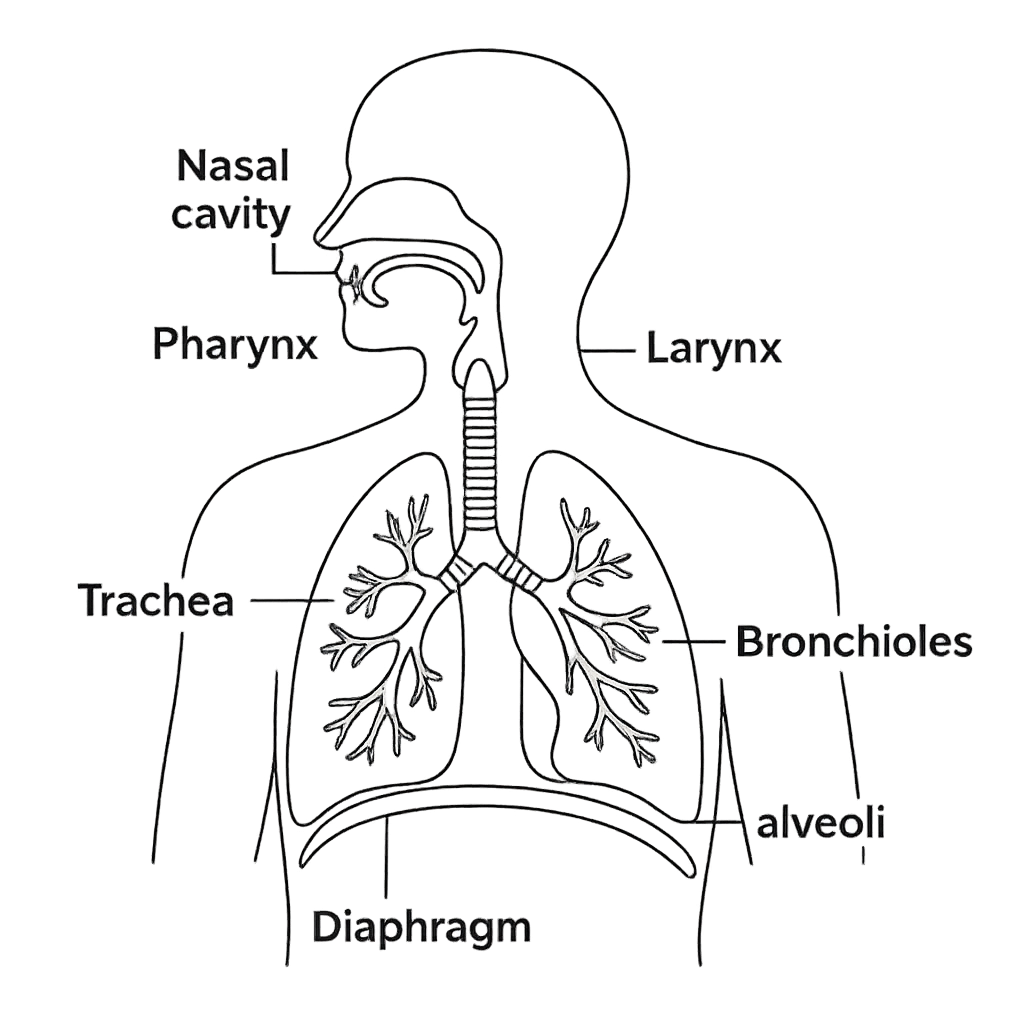
The diagram shows the human respiratory system with the structures labelled as follows: A – nasal cavity, B – pharynx, C – larynx, D – trachea, E – primary bronchi, F – lungs, G – bronchioles, H – alveoli, I – diaphragm. Use the diagram to answer the following questions.
Question Parts
(a)
Describe the complete pathway of air from the external environment to the alveoli, naming each labelled structure it passes through.
(b)
Atmospheric pressure at sea level is 1.00 atm and the fraction of oxygen in dry air is 0.21. The water vapour pressure in the alveoli at body temperature (37 °C) is 0.047 atm. Using Dalton’s law, calculate the partial pressure of oxygen in the alveolar air (PAO₂). Show all steps.
(c)
At rest a person consumes 0.25 L of O₂ per minute and has an alveolar ventilation of 4 L min⁻¹. During intense exercise the O₂ consumption rises to 2.5 L min⁻¹. Assuming that the rate of oxygen uptake follows Fick’s law \(V_{O2}=k\frac{A\Delta P}{d}\) and that the surface area (A = 70 m²), diffusion distance (d = 0.5 µm) and the constant k remain unchanged, estimate the alveolar ventilation required during exercise. Show the reasoning you use.
(d)
Explain the role of the diaphragm (I) in normal ventilation and discuss the likely respiratory consequences if the diaphragm were paralyzed.
Detailed Essay Solution & Marking Scheme Available

Get the step-by-step mathematical proofs, key points required by examiners, and a comprehensive breakdown from our AI Tutor.
Question 5 View Details
Plants depend on specialised tissues and physical mechanisms to move water and dissolved minerals from the roots to the leaves. Answer the following questions based on the transport processes in a typical flowering plant.
Question Parts
(a)
Explain how the structure of xylem vessels facilitates the upward movement of water from the roots to the shoots.
(b)
Compare and contrast root pressure and transpiration pull as mechanisms that move water in the xylem.
(c)
A potted plant is placed in a solution containing 0.5 mol L⁻¹ sucrose at 25 °C. Assuming the solution behaves as an ideal non‑electrolyte (i = 1) and that the pressure potential of the solution is zero, calculate the water potential (Ψ) of the solution. State the direction of net water movement between the plant’s root cells (Ψ ≈ 0) and the external solution.
Detailed Essay Solution & Marking Scheme Available

Get the step-by-step mathematical proofs, key points required by examiners, and a comprehensive breakdown from our AI Tutor.
Question 6 View Details
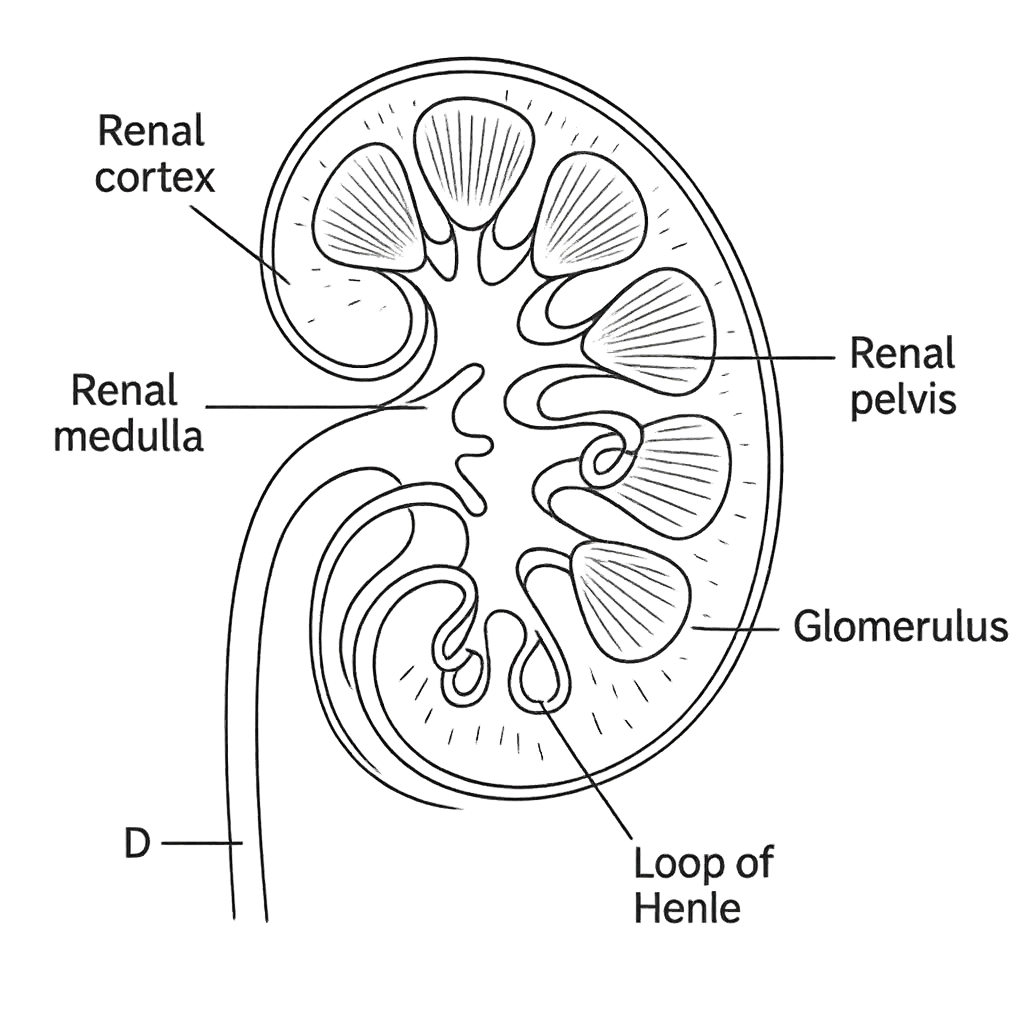
The diagram shows a longitudinal section of a human kidney with several structures labelled A–E. Use the diagram to answer the following questions.
Question Parts
(a)
Identify each labelled part in the diagram and write its correct anatomical name.
(b)
State the primary role of each of the following nephron components in urine formation:
(c)
A patient has a defect that reduces the permeability of the descending limb of the loop of Henle to water. Using the diagram, explain how this defect will affect (i) the concentration of the urine produced and (ii) its volume. Provide the physiological basis for your answer.
(d)
A drug that inhibits the Na⁺/K⁺/2Cl⁻ cotransporter in the thick ascending limb is administered. Predict the likely changes in (i) serum electrolyte concentrations and (ii) blood pressure, and justify your predictions.
Detailed Essay Solution & Marking Scheme Available

Get the step-by-step mathematical proofs, key points required by examiners, and a comprehensive breakdown from our AI Tutor.

Question 7 View Details
A 45-year-old man with a known defect in pancreatic β‑cells attends the clinic for a routine check‑up. After consuming a standard carbohydrate‑rich meal, his fasting blood glucose rises from 5.0 mmol/L to 9.0 mmol/L. In a normal individual, insulin secretion (µU/mL) can be approximated by the linear relation: Insulin = 10 × (Glucose – 4). The patient’s β‑cells secrete only 30 % of the insulin that a normal pancreas would produce under the same glucose concentration. Assume that glucose uptake by peripheral tissues is directly proportional to the plasma insulin concentration. Answer the following:
Question Parts
(a)
Describe the negative feedback mechanism that regulates blood glucose concentration. Identify the sensory receptor, integrating centre and effector organs involved.
(b)
Calculate: (i) The expected plasma insulin concentration in a normal individual when his post‑prandial glucose is 9.0 mmol/L. (ii) The actual insulin concentration in this patient. (iii) The percentage reduction in glucose uptake by peripheral tissues compared with a normal individual, assuming uptake is directly proportional to insulin concentration.
(c)
Discuss two possible long‑term health consequences of this impaired glucose homeostasis and suggest two lifestyle interventions that could help mitigate these effects.
Detailed Essay Solution & Marking Scheme Available

Get the step-by-step mathematical proofs, key points required by examiners, and a comprehensive breakdown from our AI Tutor.

Question 8 View Details
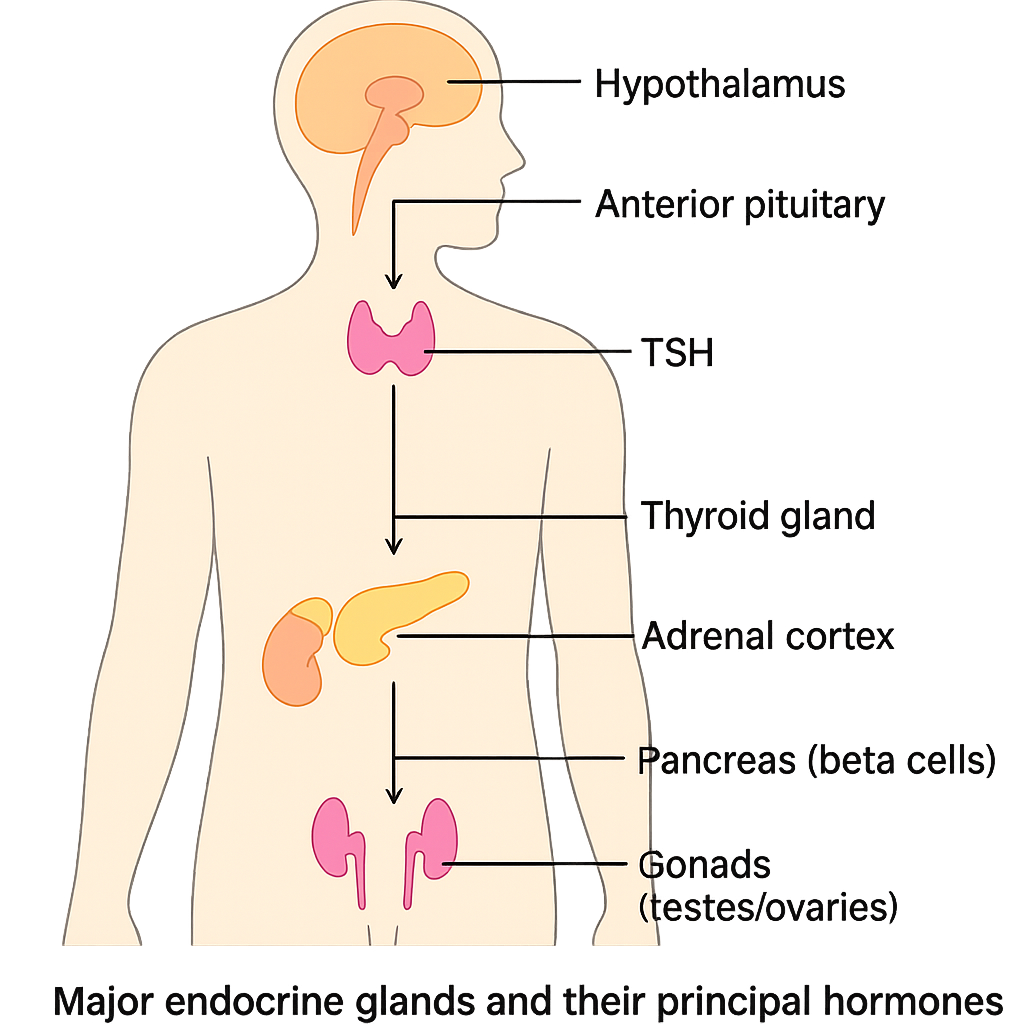
The diagram illustrates the major endocrine glands of the human body and the principal hormones they secrete. Using the diagram, answer the following questions.
Question Parts
(a)
Write the name of each gland corresponding to the numbers 1 to 6 shown in the diagram.
(b)
For each gland listed in part (a), state the principal hormone(s) it secretes and one major physiological effect of each hormone.
(c)
Explain the negative feedback mechanism that controls the production of thyroid hormones, referring explicitly to the hypothalamus‑pituitary‑thyroid axis shown in the diagram.
(d)
A patient reports chronic fatigue, weight gain, and intolerance to cold. Using the diagram and your knowledge of endocrine regulation, identify the gland most likely responsible for these symptoms and justify your choice with two supporting points.
Detailed Essay Solution & Marking Scheme Available

Get the step-by-step mathematical proofs, key points required by examiners, and a comprehensive breakdown from our AI Tutor.

Master the Exam!

You've seen a preview, but there are thousands more questions plus AI tutor to break down complex solutions.

Unlock Full Access Available for Android & Windows
Help others prepare! Share this practice hub:
Chat with Support