neco 2021 biology | Essay

Prepare for your exams with neco questions? Reviewing past/model questions is one of the most effective ways to guarantee a high score. This practice hub features authentic 2021 biology (Essay) questions designed to simulate the real exam environment.

Practice these randomly selected questions to test your readiness.
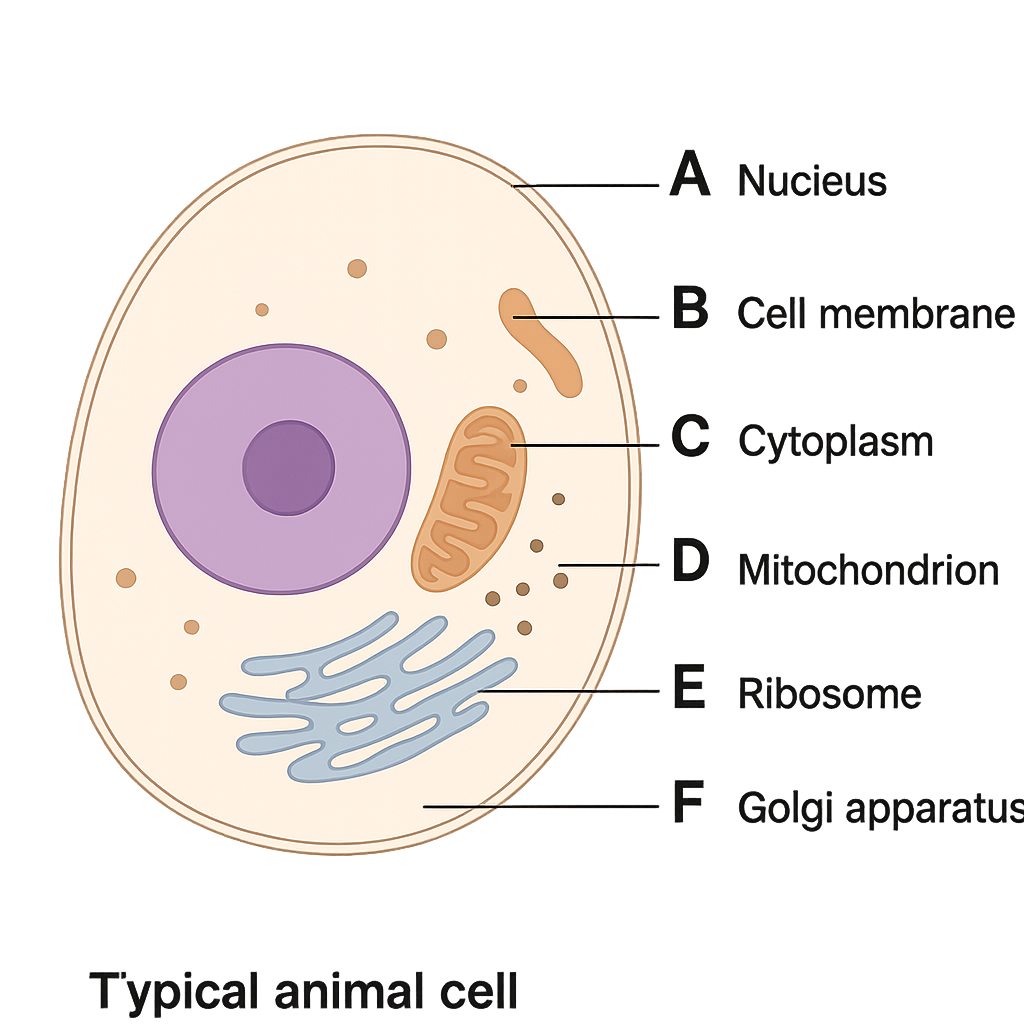
Question 1 View Details
The labelled diagram shows a typical animal cell.
Question Parts
(a)
Identify each labelled part in the diagram and state its principal function.
(b)
Explain how substances move across the cell membrane by (i) simple diffusion and (ii) active transport.
(c)
Using the diagram, compare an animal cell with a typical plant cell, highlighting at least three structural differences.
Detailed Essay Solution & Marking Scheme Available

Get the step-by-step mathematical proofs, key points required by examiners, and a comprehensive breakdown from our AI Tutor.
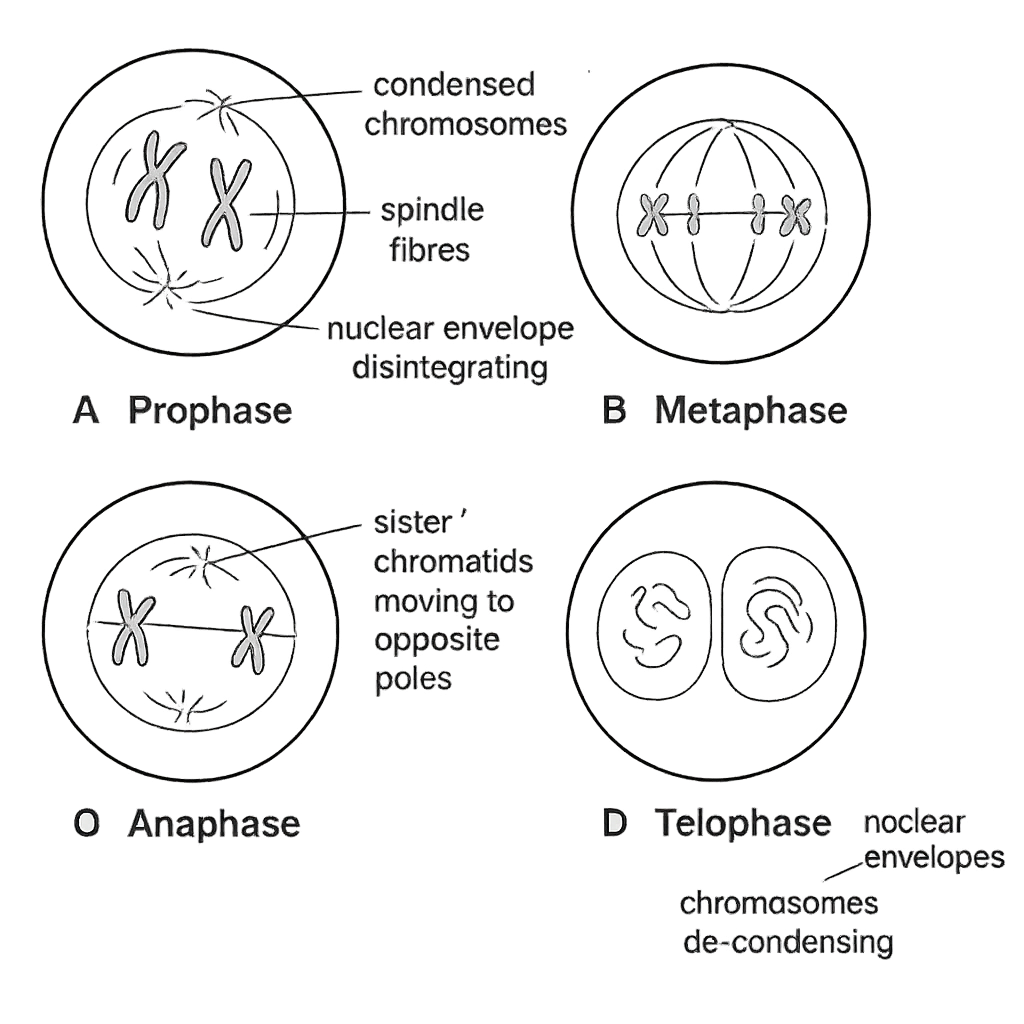
Question 2 View Details
The labelled diagram depicts the stages of mitosis in a eukaryotic cell.
Question Parts
(a)
State the correct chronological order of the stages shown in the diagram.
(b)
For each stage, briefly describe the key cellular events that occur.
(c)
Explain the significance of cytokinesis in animal cells and how it differs from plant cells.
(d)
A cell fails to complete cytokinesis after telophase. Predict the likely outcome for the resulting cell and discuss one possible biological consequence.
Detailed Essay Solution & Marking Scheme Available

Get the step-by-step mathematical proofs, key points required by examiners, and a comprehensive breakdown from our AI Tutor.
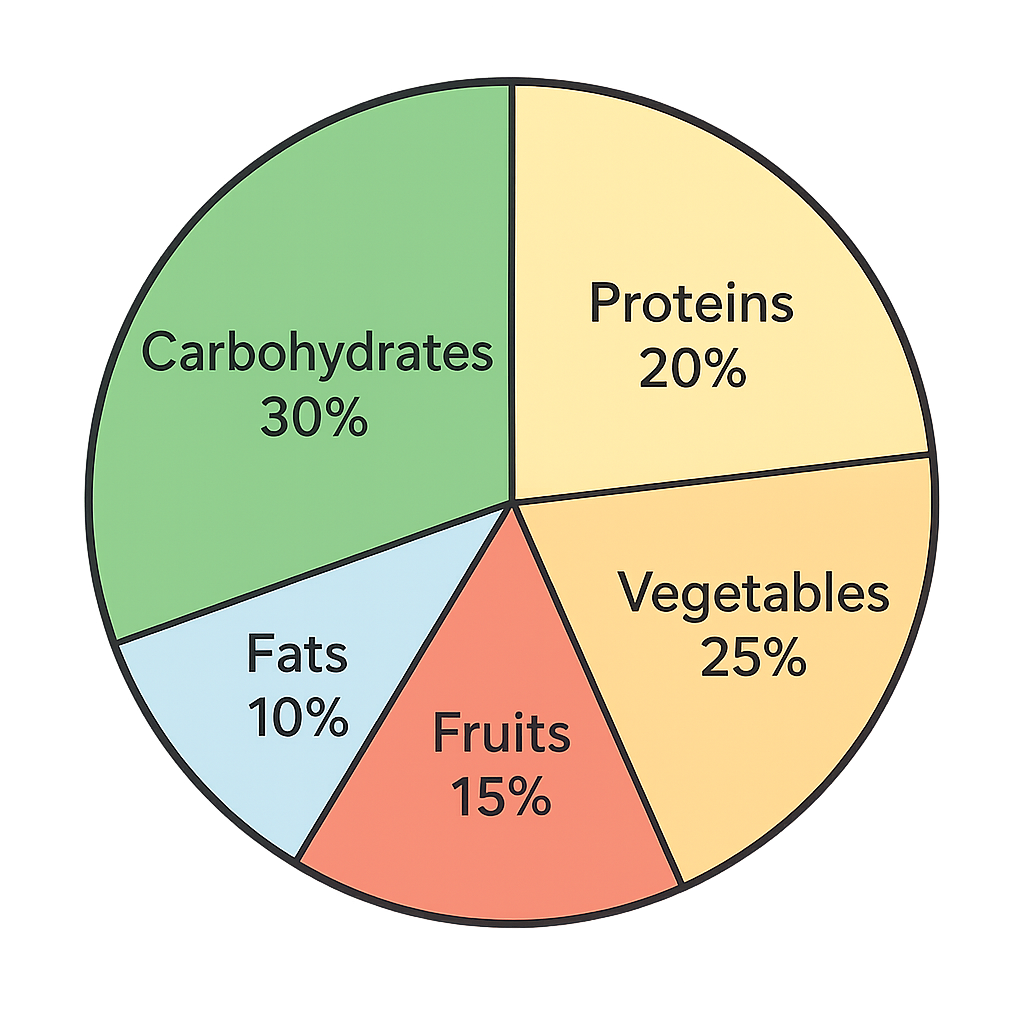
Question 3 View Details
The diagram below illustrates the recommended proportion of food groups in a balanced daily diet for an adult.
Question Parts
(a)
A 2500 kcal diet is recommended for the adult. Using the caloric values per gram (carbohydrate = 4 kcal/g, protein = 4 kcal/g, fat = 9 kcal/g, vegetables and fruits = 0.8 kcal/g), calculate the approximate gram amount required from each food group shown in the diagram.
(b)
The individual actually consumes the following amounts in a day: 300 g carbohydrates, 80 g protein, 70 g fats, and a combined 250 g of vegetables and fruits. Determine whether each food‑group intake meets, exceeds, or falls short of the recommended percentage. Show all calculations and state the percentage deviation for each group.
(c)
Discuss two possible health consequences of a chronic deficiency in the vegetable group and two consequences of chronic excess fat intake. Relate each consequence to the underlying physiological mechanism.
(d)
Suggest a concise one‑week meal plan (one meal per day is sufficient) that would enable the individual in part (b) to achieve the recommended proportions calculated in part (a). Briefly justify how each suggested meal contributes to correcting the identified imbalances.
Detailed Essay Solution & Marking Scheme Available

Get the step-by-step mathematical proofs, key points required by examiners, and a comprehensive breakdown from our AI Tutor.
Question 4 View Details
A 25‑year‑old trekker ascends to an altitude of 3000 m. The following respiratory data are recorded: - At sea level: tidal volume = 500 ml, breathing rate = 12 breaths·min⁻¹, anatomical dead space = 150 ml. - At 3000 m: tidal volume = 650 ml, breathing rate = 20 breaths·min⁻¹, anatomical dead space remains 150 ml. Answer the following:
Question Parts
(a)
Calculate the minute ventilation and alveolar ventilation at sea level and at 3000 m.
(b)
Explain two short‑term respiratory adaptations that occur when a person is exposed to high altitude.
(c)
Discuss how chronic exposure to high altitude affects blood pH and describe the renal compensation that follows.
Detailed Essay Solution & Marking Scheme Available

Get the step-by-step mathematical proofs, key points required by examiners, and a comprehensive breakdown from our AI Tutor.
Question 5 View Details
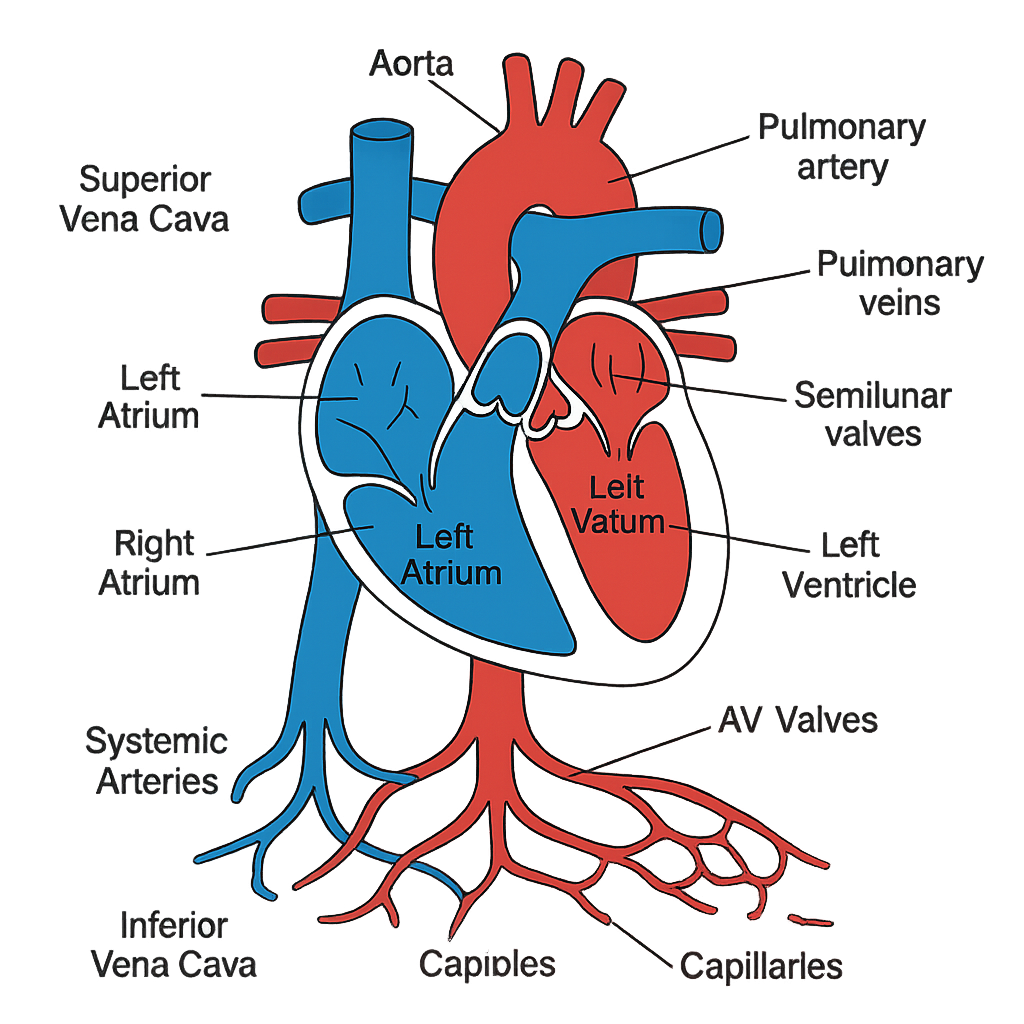
The diagram shows the major components of the human circulatory system involved in the transport of blood throughout the body.
Question Parts
(a)
Trace the complete pathway of oxygenated blood from the lungs to the systemic tissues, naming each chamber and major vessel it passes through.
(b)
Explain the role of the atrioventricular (AV) valves and the semilunar valves in maintaining unidirectional blood flow.
(c)
Discuss two physiological mechanisms that increase the rate of blood transport during moderate exercise.
Detailed Essay Solution & Marking Scheme Available

Get the step-by-step mathematical proofs, key points required by examiners, and a comprehensive breakdown from our AI Tutor.
Question 6 View Details
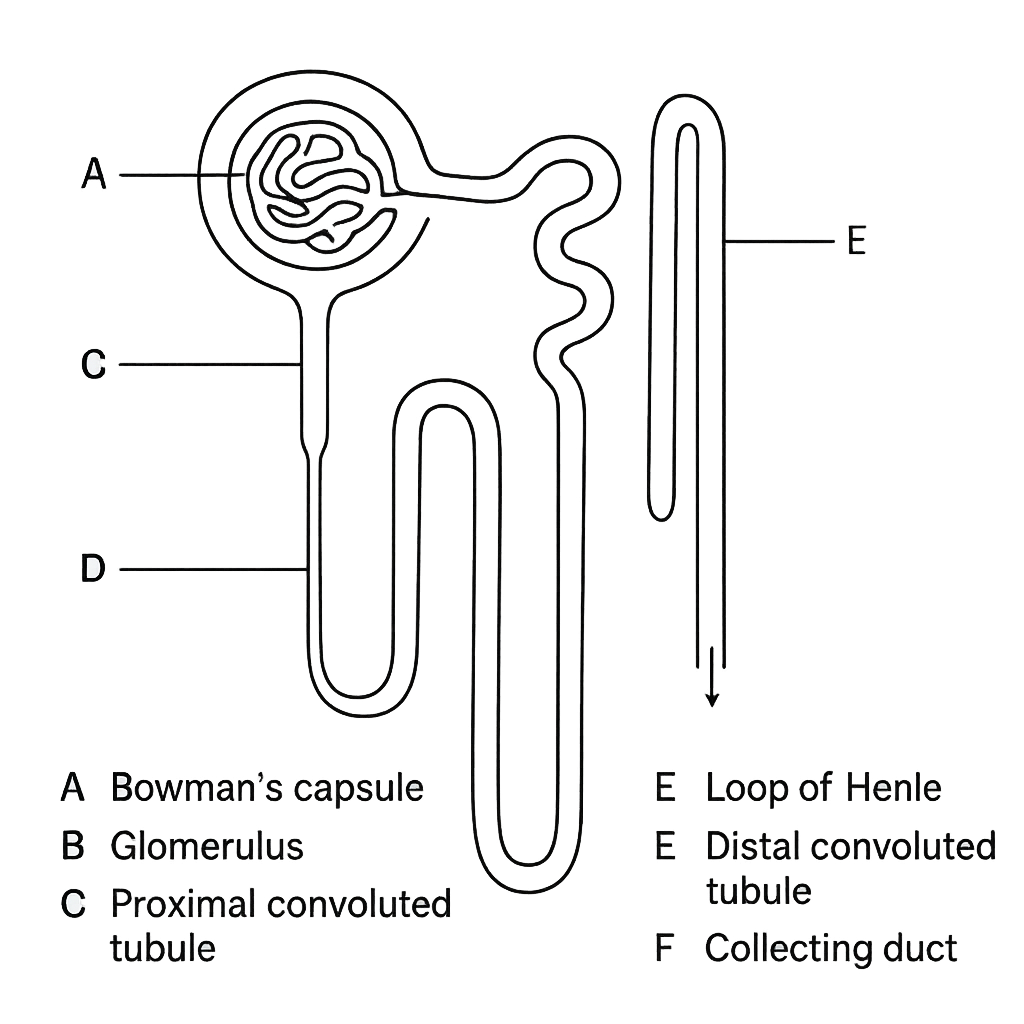
The diagram shows the functional unit of the human excretory system (the nephron) with the parts labelled A–F as indicated in the visual.
Question Parts
(a)
State the correct anatomical name for each labelled part (A, B, C, D, E and F).
(b)
For each of the following physiological processes, indicate the nephron segment where it primarily occurs and briefly state its significance.
() Ultrafiltration of blood
() Reabsorption of glucose and amino acids
() Secretion of hydrogen ions
() Concentration of urine
(c)
Explain how antidiuretic hormone (ADH) modifies water re‑absorption in the nephron, specifying the segment(s) affected and the cellular mechanism involved.
(d)
A patient has a defect that reduces the permeability of the descending limb of the Loop of Henle to water. Predict the likely effect on urine volume and concentration, and justify your answer.
Detailed Essay Solution & Marking Scheme Available

Get the step-by-step mathematical proofs, key points required by examiners, and a comprehensive breakdown from our AI Tutor.

Question 7 View Details
Answer the following questions on homeostasis.
Question Parts
(a)
Describe in detail the negative feedback mechanism that maintains blood glucose concentration within the normal range. In your answer, identify the primary hormones involved, their target organs, and the sequence of events that occur when blood glucose rises above normal.
(b)
Explain what would likely occur if the pancreatic β‑cells were damaged and could not secrete insulin. Discuss the short‑term and long‑term effects on blood glucose levels and on the target organs.
(c)
Compare the regulation of blood glucose concentration with the regulation of body temperature, highlighting at least two similarities and two differences in the feedback mechanisms involved.
Detailed Essay Solution & Marking Scheme Available

Get the step-by-step mathematical proofs, key points required by examiners, and a comprehensive breakdown from our AI Tutor.

Question 8 View Details
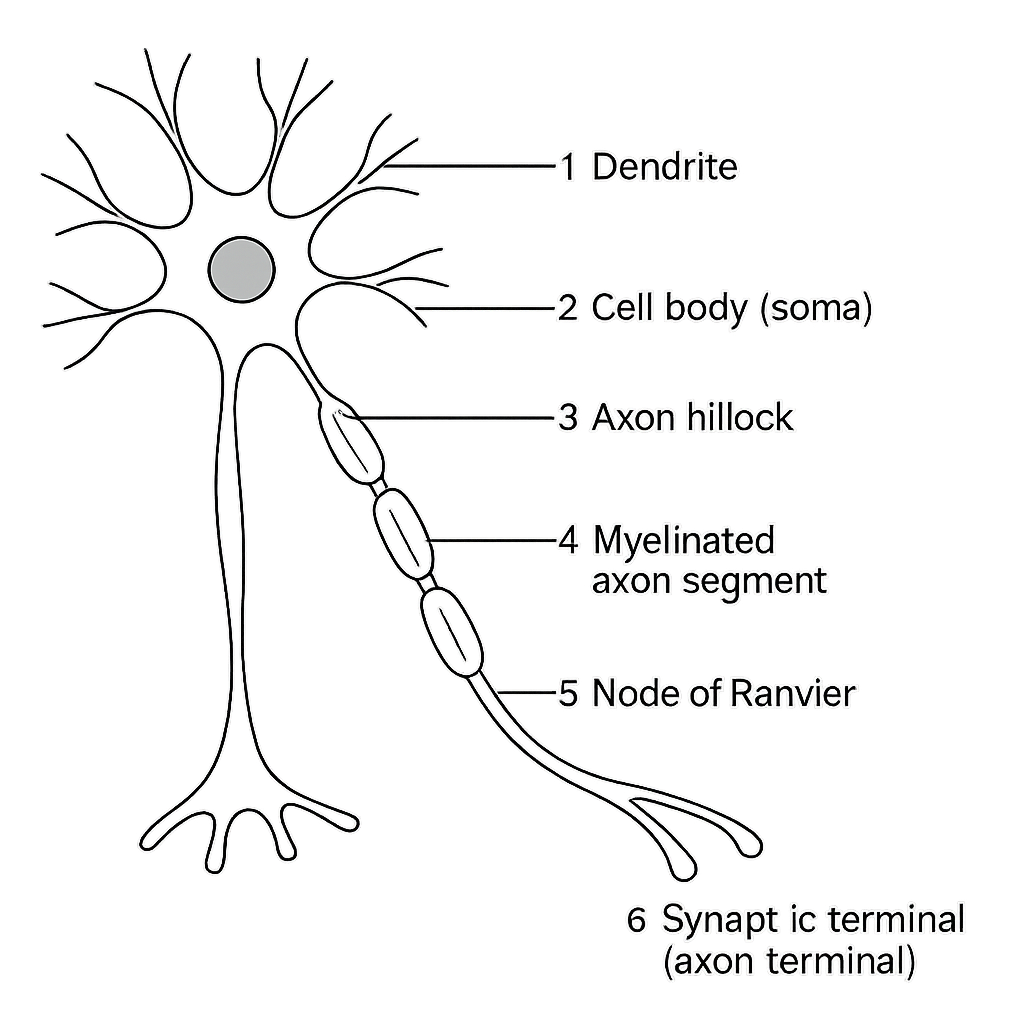
The diagram shows a typical multipolar neuron of the peripheral nervous system.
Question Parts
(a)
State the name of each part that is numbered in the diagram (1‑6).
(b)
Explain, in order, the events that occur from the initiation of an action potential at the axon hillock to the release of neurotransmitter at the synaptic terminal.
(c)
The neuron is 1.2 m long. Seventy percent of its length is myelinated and conducts at 80 m s⁻¹; the remaining 30 % is unmyelinated and conducts at 20 m s⁻¹. Calculate the total time taken for the impulse to travel from the cell body to the synaptic terminal. Show all steps.
(d)
Discuss two advantages of myelination for the overall functioning of the nervous system.
Detailed Essay Solution & Marking Scheme Available

Get the step-by-step mathematical proofs, key points required by examiners, and a comprehensive breakdown from our AI Tutor.

Master the Exam!

You've seen a preview, but there are thousands more questions plus AI tutor to break down complex solutions.

Unlock Full Access Available for Android & Windows
Help others prepare! Share this practice hub:
Chat with Support