gce model questions vol1 2022 biology | Essay

Prepare for your exams with gce model questions vol1 questions? Reviewing past/model questions is one of the most effective ways to guarantee a high score. This practice hub features authentic 2022 biology (Essay) questions designed to simulate the real exam environment.

Practice these randomly selected questions to test your readiness.
Question 1 View Details
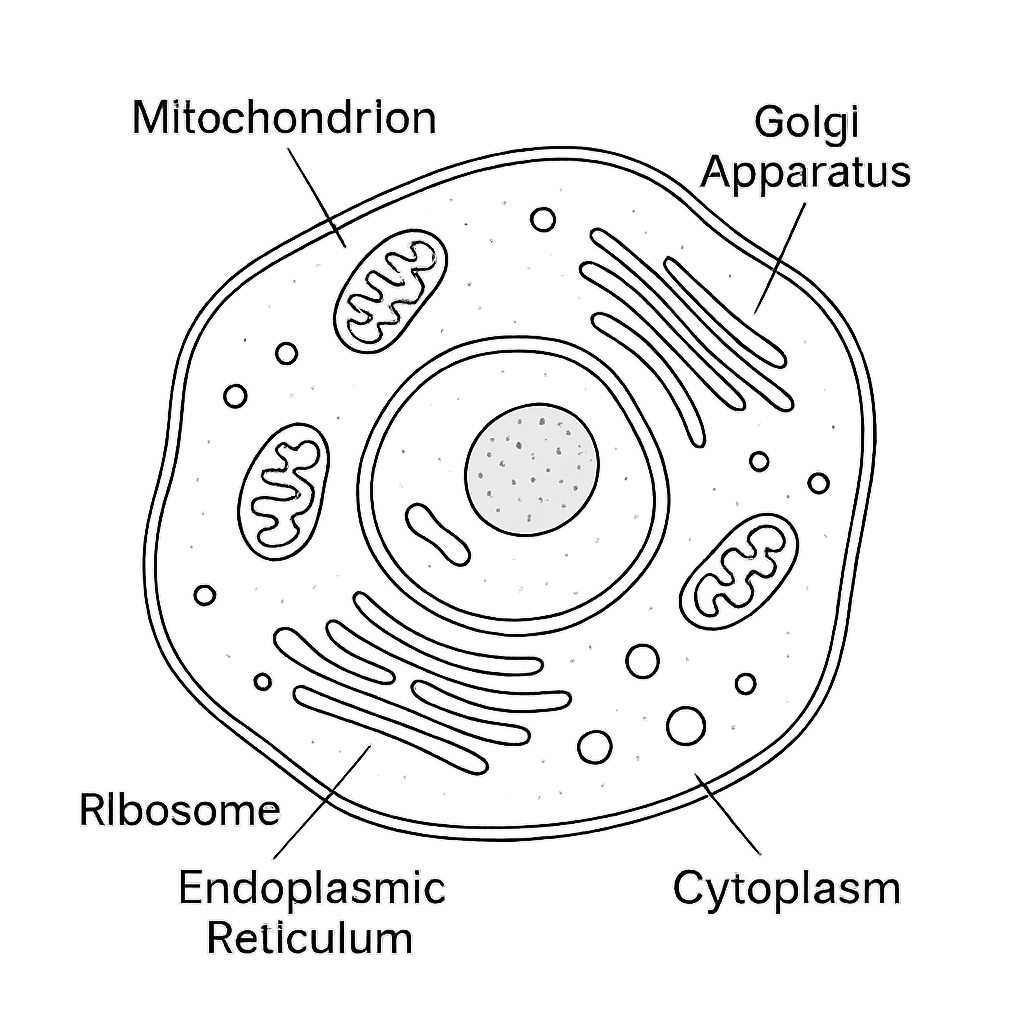
The diagram shows a typical animal cell with its major organelles labelled.
Question Parts
(a)
List three organelles that are labelled in the diagram and state the primary function of each.
(b)
Explain how the structure of the phospholipid bilayer of the cell membrane enables selective permeability.
(c)
Discuss the role of mitochondria in cellular respiration, including the main stages and the significance of ATP production.
Detailed Essay Solution & Marking Scheme Available

Get the step-by-step mathematical proofs, key points required by examiners, and a comprehensive breakdown from our AI Tutor.
Question 2 View Details
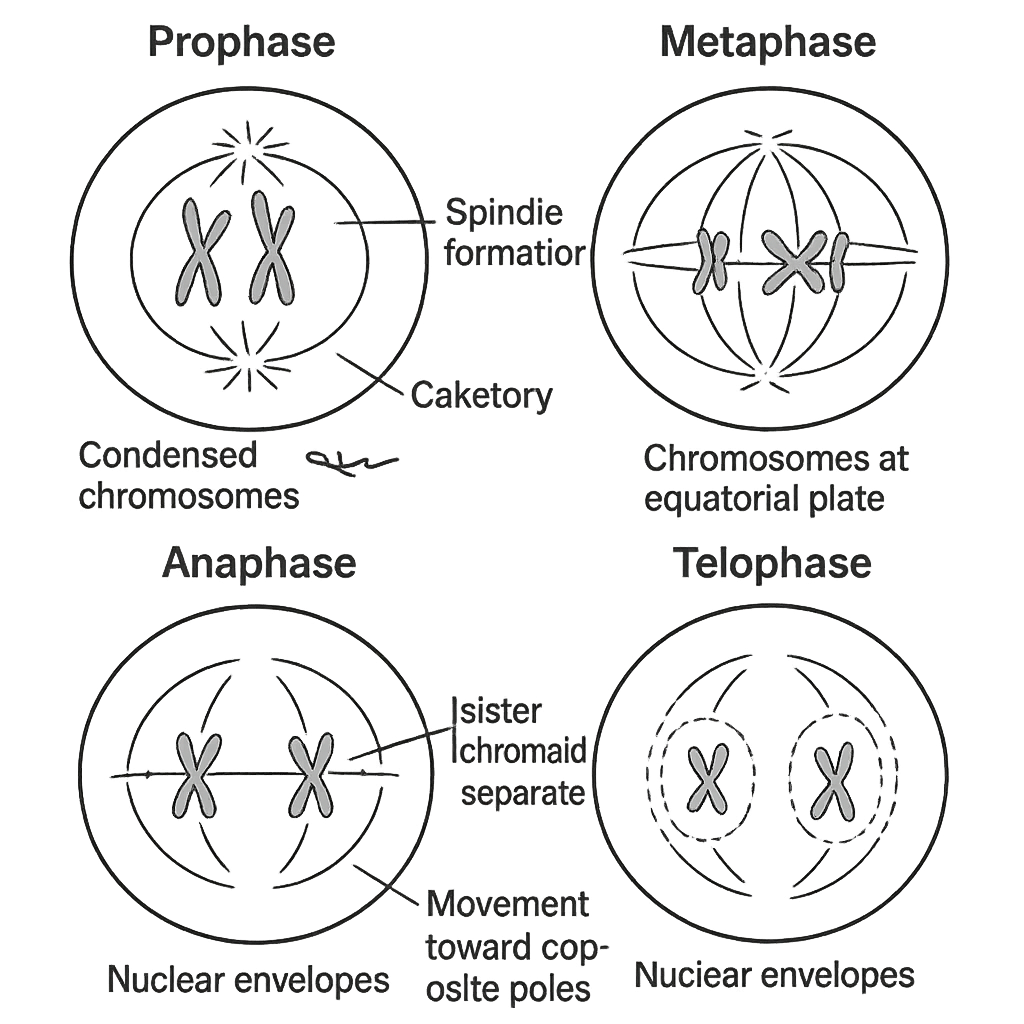
The diagram depicts the sequential stages of mitosis in a eukaryotic cell.
Question Parts
(a)
Identify the four stages shown in the diagram and list them in their correct chronological order.
(b)
For each stage, describe the key events that occur with respect to chromosome behaviour and the spindle apparatus.
(c)
Explain why mitosis is essential for growth and tissue repair in multicellular organisms, linking the process to genetic continuity.
Detailed Essay Solution & Marking Scheme Available

Get the step-by-step mathematical proofs, key points required by examiners, and a comprehensive breakdown from our AI Tutor.
Question 3 View Details
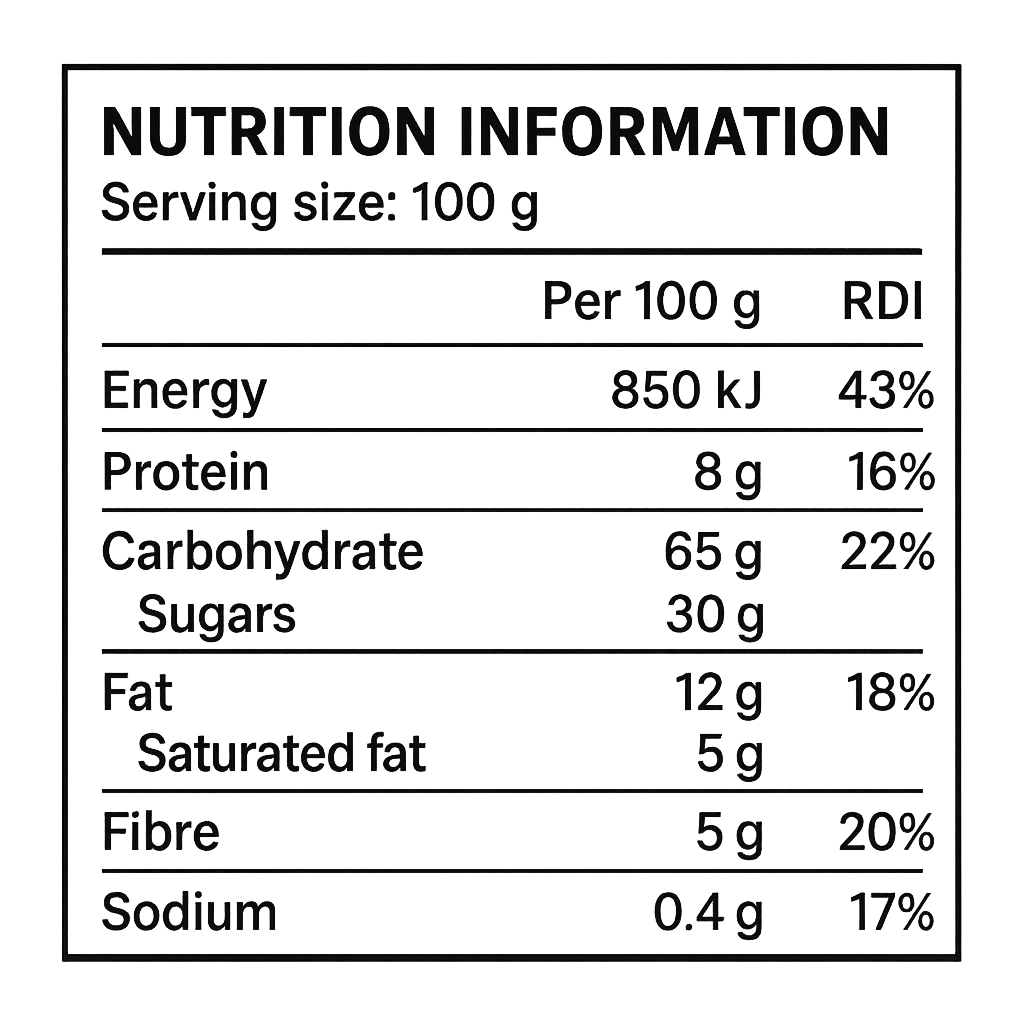
The diagram shows the nutrition label of a packaged snack, expressed per 100 g of product.
Question Parts
(a)
Calculate the amount of energy (in kJ) supplied by 250 g of the snack. Show all steps.
(b)
If the recommended daily intake (RDI) for protein is 50 g, what percentage of the RDI is supplied by 250 g of the snack? State the calculation clearly.
(c)
Discuss whether this snack is suitable for a person with type 2 diabetes, using the sugar information from the diagram and relevant dietary guidelines.
Detailed Essay Solution & Marking Scheme Available

Get the step-by-step mathematical proofs, key points required by examiners, and a comprehensive breakdown from our AI Tutor.
Question 4 View Details
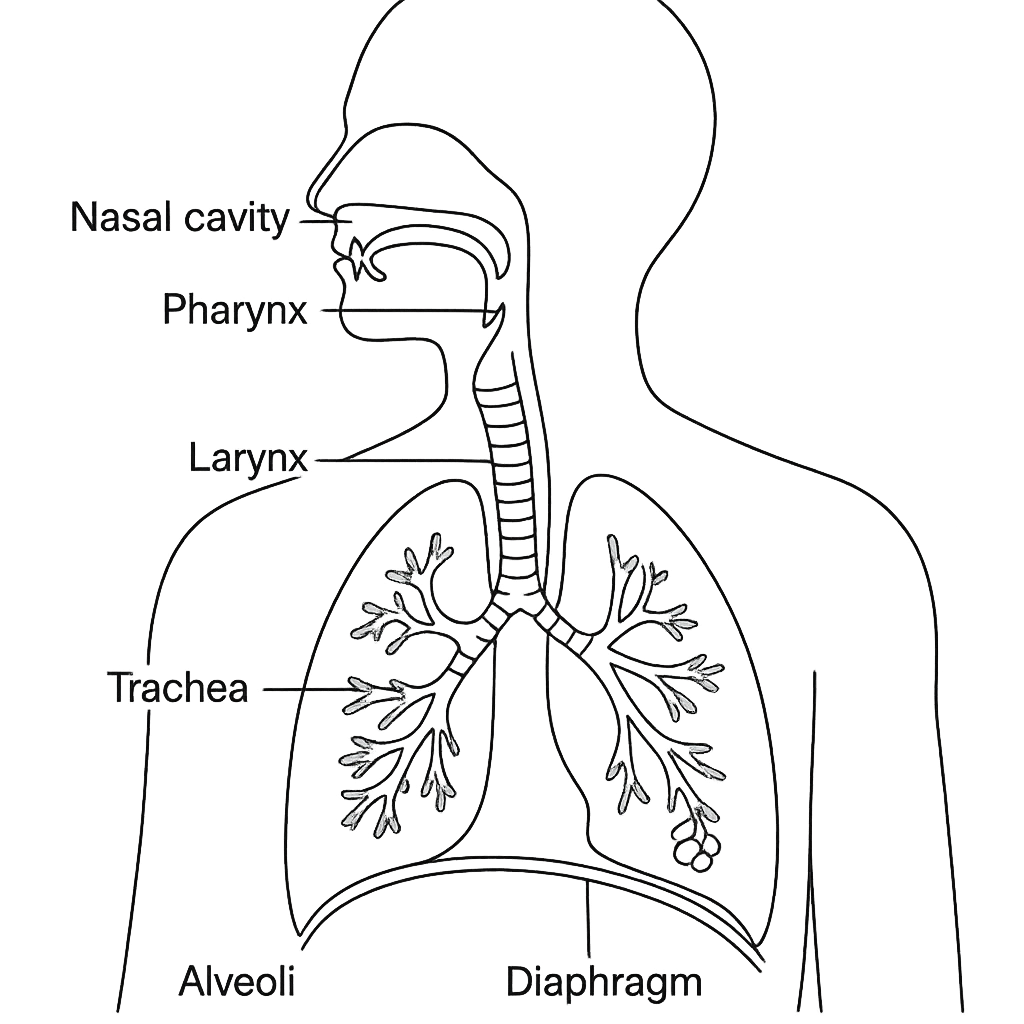
The diagram shows the major structures of the human respiratory system.
Question Parts
(a)
Describe the complete pathway that a breath of air follows from the external environment to the alveoli, stating the function of each structure shown in the diagram.
(b)
Explain how oxygen and carbon dioxide are exchanged between the alveolar air and the blood in the pulmonary capillaries, referring to partial pressure gradients and the structure of the alveolar‑capillary membrane.
(c)
A healthy adult moves from sea level (atmospheric pressure 760 mm Hg) to a high‑altitude region where the atmospheric pressure is 560 mm Hg. Using the simplified alveolar gas equation PO₂ = FiO₂ (Patm – PH₂O) – PaCO₂ / R, where FiO₂ = 0.21, PH₂O = 47 mm Hg, PaCO₂ = 40 mm Hg and R = 0.8, estimate the new alveolar PO₂. Then discuss two physiological adjustments that help maintain oxygen delivery to tissues at this altitude.
(d)
Compare aerobic respiration in skeletal muscle at rest with that during intense exercise, focusing on mitochondrial activity, oxygen utilisation and the main metabolic by‑products.
Detailed Essay Solution & Marking Scheme Available

Get the step-by-step mathematical proofs, key points required by examiners, and a comprehensive breakdown from our AI Tutor.

Question 5 View Details
The human circulatory system and the vascular tissues of plants are specialised for the transport of substances essential for life.
Question Parts
(a)
Describe the structural adaptations of the heart and blood vessels that facilitate efficient transport of blood throughout the body.
(b)
Explain how the mechanisms of transport in the xylem differ from those in the phloem, giving at least two distinct differences.
(c)
A resting adult has an oxygen consumption (VO₂) of 250 ml min⁻¹. The arterial oxygen content is 0.20 ml O₂ ml⁻¹ blood and the venous oxygen content is 0.15 ml O₂ ml⁻¹ blood. Calculate the cardiac output required to meet this oxygen demand. Show all steps and comment on how the value would change if the subject performed moderate exercise increasing VO₂ to 750 ml min⁻¹.
Detailed Essay Solution & Marking Scheme Available

Get the step-by-step mathematical proofs, key points required by examiners, and a comprehensive breakdown from our AI Tutor.

Question 6 View Details
The kidneys maintain internal homeostasis by removing metabolic waste and regulating water and electrolyte balance.
Question Parts
(a)
Outline the main regions of the nephron and the primary function of each region in urine formation.
(b)
Discuss the action of antidiuretic hormone (ADH) on the distal convoluted tubule and collecting duct, and explain how this influences urine concentration.
Detailed Essay Solution & Marking Scheme Available

Get the step-by-step mathematical proofs, key points required by examiners, and a comprehensive breakdown from our AI Tutor.

Question 7 View Details
Explain the principle of homeostasis and answer the following questions.
Question Parts
(a)
Describe the negative‑feedback mechanism that controls blood glucose concentration, naming the key hormones, the organs involved and the sequence of events when blood glucose rises after a meal.
(b)
Compare the physiological and behavioural strategies used by humans and a desert‑dwelling reptile to maintain core body temperature within a narrow range.
(c)
A patient with damage to the hypothalamic thermoregulatory centre is exposed to a cold environment (5 °C). Predict the sequence of physiological changes that will occur and explain why the patient is unable to restore normal core temperature.
Detailed Essay Solution & Marking Scheme Available

Get the step-by-step mathematical proofs, key points required by examiners, and a comprehensive breakdown from our AI Tutor.

Question 8 View Details
Discuss the processes involved in the coordination of movement in the human body and answer the following questions.
Question Parts
(a)
Outline the neural pathway from a cutaneous sensory receptor in the hand to the contraction of a skeletal muscle in the forearm during a withdrawal reflex, indicating the type of neurons and synapses involved.
Detailed Essay Solution & Marking Scheme Available

Get the step-by-step mathematical proofs, key points required by examiners, and a comprehensive breakdown from our AI Tutor.

Question 9 View Details
The menstrual cycle is a complex series of events that prepares the female body for possible pregnancy.
Question Parts
(a)
Describe the three phases of the menstrual cycle, stating the principal hormones that dominate each phase and their main actions.
(b)
Using the concepts of negative and positive feedback, explain how estrogen and progesterone regulate the secretion of FSH and LH during the luteal phase.
(c)
Discuss two common physiological or pathological conditions that can disrupt the normal hormonal regulation of the menstrual cycle and explain the mechanism by which they lead to amenorrhoea.
Detailed Essay Solution & Marking Scheme Available

Get the step-by-step mathematical proofs, key points required by examiners, and a comprehensive breakdown from our AI Tutor.

Question 10 View Details
A researcher is studying inheritance of flower colour and plant height in a diploid flowering plant. Flower colour is controlled by a single gene with alleles R (red) dominant to r (white). Plant height is controlled by a second gene with alleles T (tall) dominant to t (short). The two genes are located on the same chromosome and are 10 map units apart.
Question Parts
(a)
Define the terms genotype and phenotype, and give an example of each for the two traits under study.
(b)
The researcher crosses a heterozygous tall red plant (RrTt) with a homozygous short white plant (rrtt). Assuming independent assortment, calculate the expected phenotypic ratio of the F1 generation.
(c)
Because the genes are linked, the observed F1 phenotypic ratio deviates from the expected. A test cross of an F1 individual (heterozygous for both genes) with a double‑recessive (rrtt) yields 400 progeny with the following phenotypes: 120 red‑tall, 80 red‑short, 80 white‑tall, 120 white‑short. Calculate the recombination frequency and the map distance between the two genes. Discuss what the result indicates about linkage.
(d)
Explain how epistasis could modify the phenotypic ratios in a dihybrid cross involving these two genes, providing a specific example of a possible epistatic interaction.
Detailed Essay Solution & Marking Scheme Available

Get the step-by-step mathematical proofs, key points required by examiners, and a comprehensive breakdown from our AI Tutor.

Master the Exam!

You've seen a preview, but there are thousands more questions plus AI tutor to break down complex solutions.

Unlock Full Access Available for Android & Windows
Help others prepare! Share this practice hub:
Chat with Support