gce model questions vol1 2019 biology | Essay

Prepare for your exams with gce model questions vol1 questions? Reviewing past/model questions is one of the most effective ways to guarantee a high score. This practice hub features authentic 2019 biology (Essay) questions designed to simulate the real exam environment.

Practice these randomly selected questions to test your readiness.
Question 1 View Details
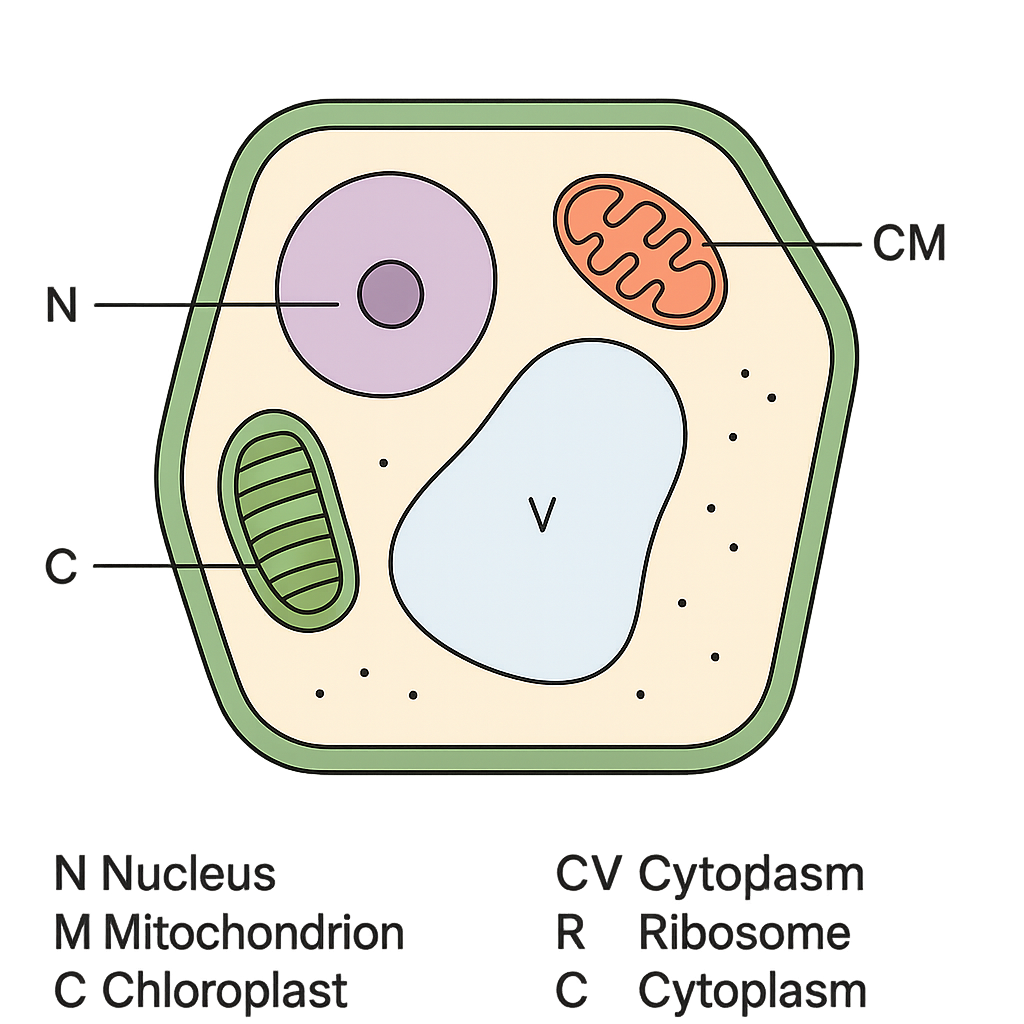
The diagram shows a typical plant cell with its major organelles labelled.
Question Parts
(a)
State the function of the nucleus.
(b)
State the function of the mitochondrion.
(c)
State the function of the chloroplast.
(d)
State the function of the cell wall.
(e)
State the function of the central vacuole.
(f)
Briefly compare a typical plant cell with a typical animal cell, citing at least three structural differences evident from the diagram.
Detailed Essay Solution & Marking Scheme Available

Get the step-by-step mathematical proofs, key points required by examiners, and a comprehensive breakdown from our AI Tutor.
Question 2 View Details
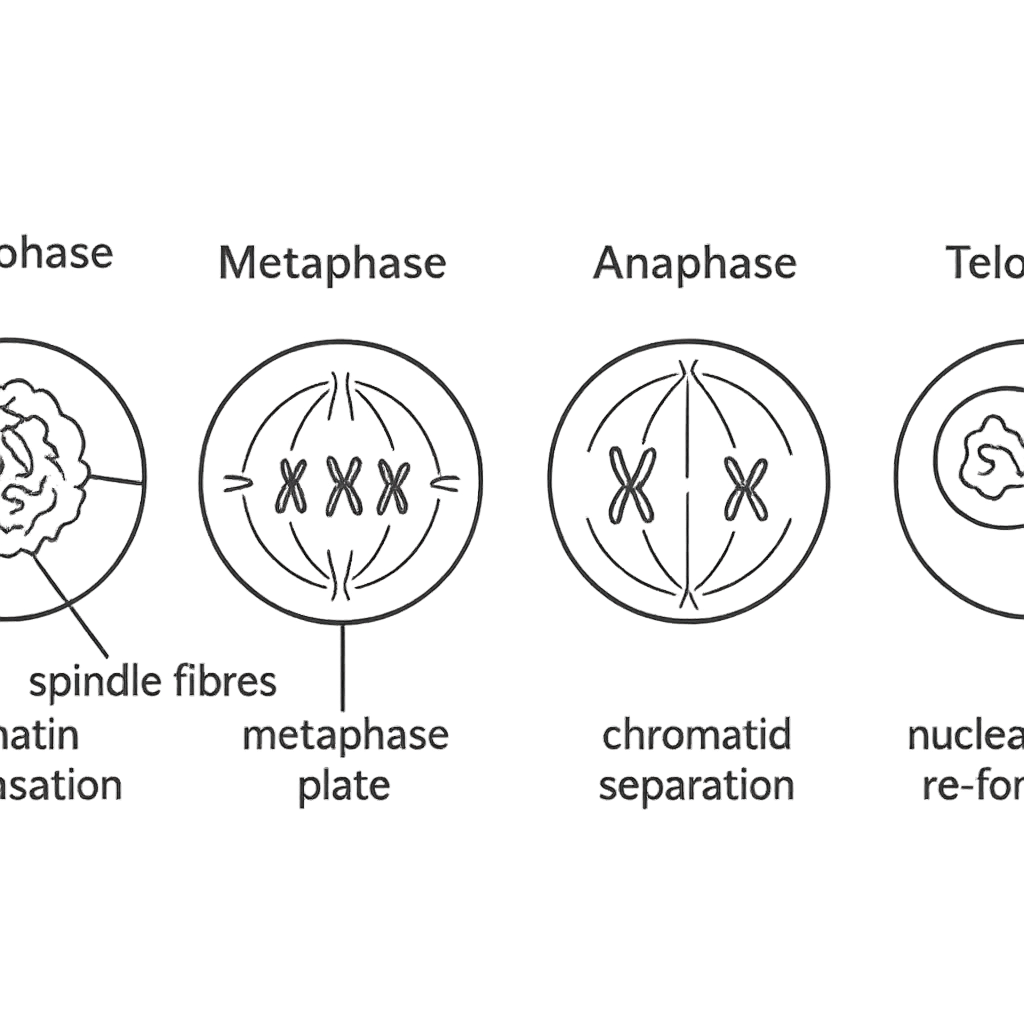
The labelled diagram depicts the successive stages of mitosis in a eukaryotic cell.
Question Parts
(a)
Describe the main events that occur during prophase.
(b)
Describe the main events that occur during metaphase.
(c)
Describe the main events that occur during anaphase.
(d)
Describe the main events that occur during telophase.
(e)
Explain the role of spindle fibres throughout mitosis.
(f)
If a single cell undergoes two successive rounds of mitosis without cytokinesis, how many genetically identical nuclei will be present after the second division? Justify your answer.
Detailed Essay Solution & Marking Scheme Available

Get the step-by-step mathematical proofs, key points required by examiners, and a comprehensive breakdown from our AI Tutor.
Question 3 View Details
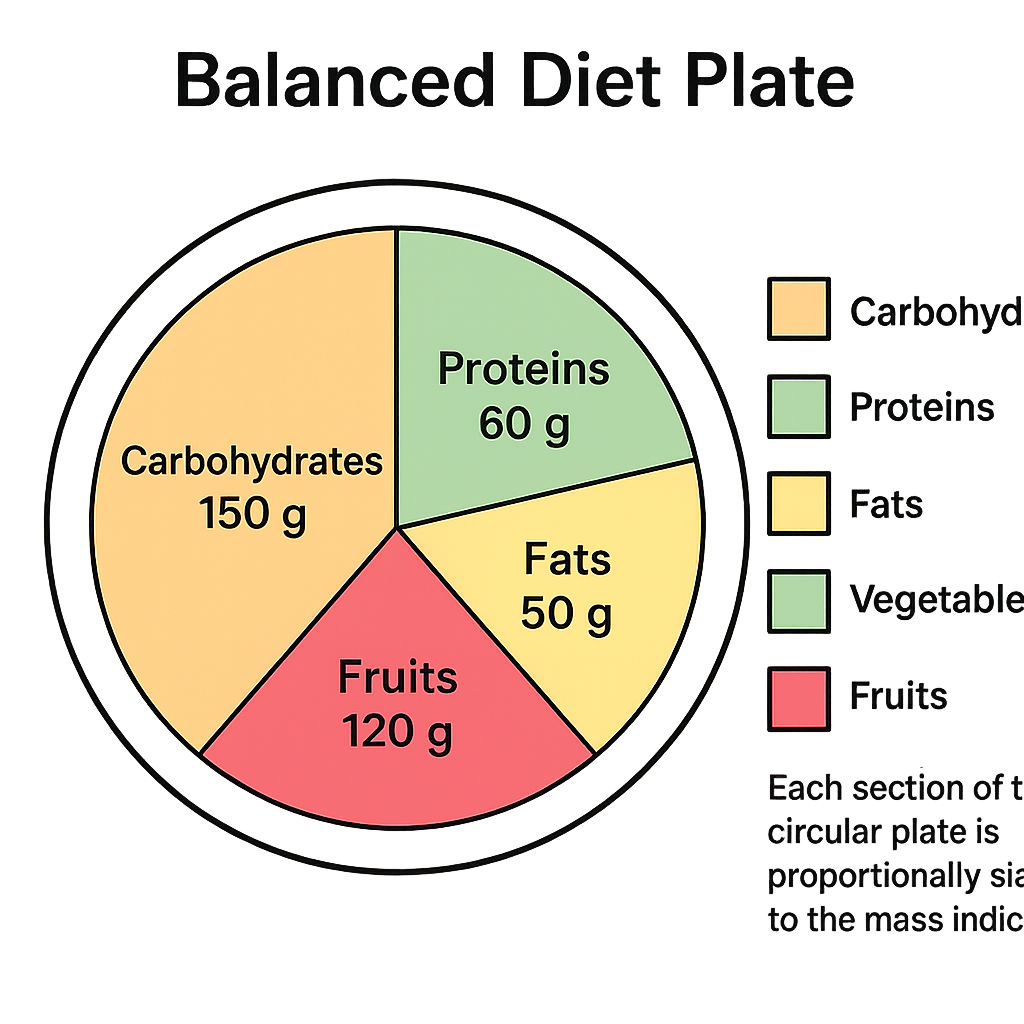
The diagram shows a typical balanced diet plate used in nutrition education. The plate is divided into sections representing the main food groups and the approximate mass of food in each section: carbohydrates 150 g, proteins 60 g, fats 50 g, vegetables 200 g and fruits 120 g.
Question Parts
(a)
Identify the five food groups shown in the diagram.
(b)
State the principal physiological role of each macronutrient (carbohydrate, protein, fat) in the human body.
(c)
Using the masses given in the diagram and the standard energy values (carbohydrate = 4 kcal g⁻¹, protein = 4 kcal g⁻¹, fat = 9 kcal g⁻¹), calculate the percentage contribution of each macronutrient to the total caloric content of the plate.
Detailed Essay Solution & Marking Scheme Available

Get the step-by-step mathematical proofs, key points required by examiners, and a comprehensive breakdown from our AI Tutor.
Question 4 View Details
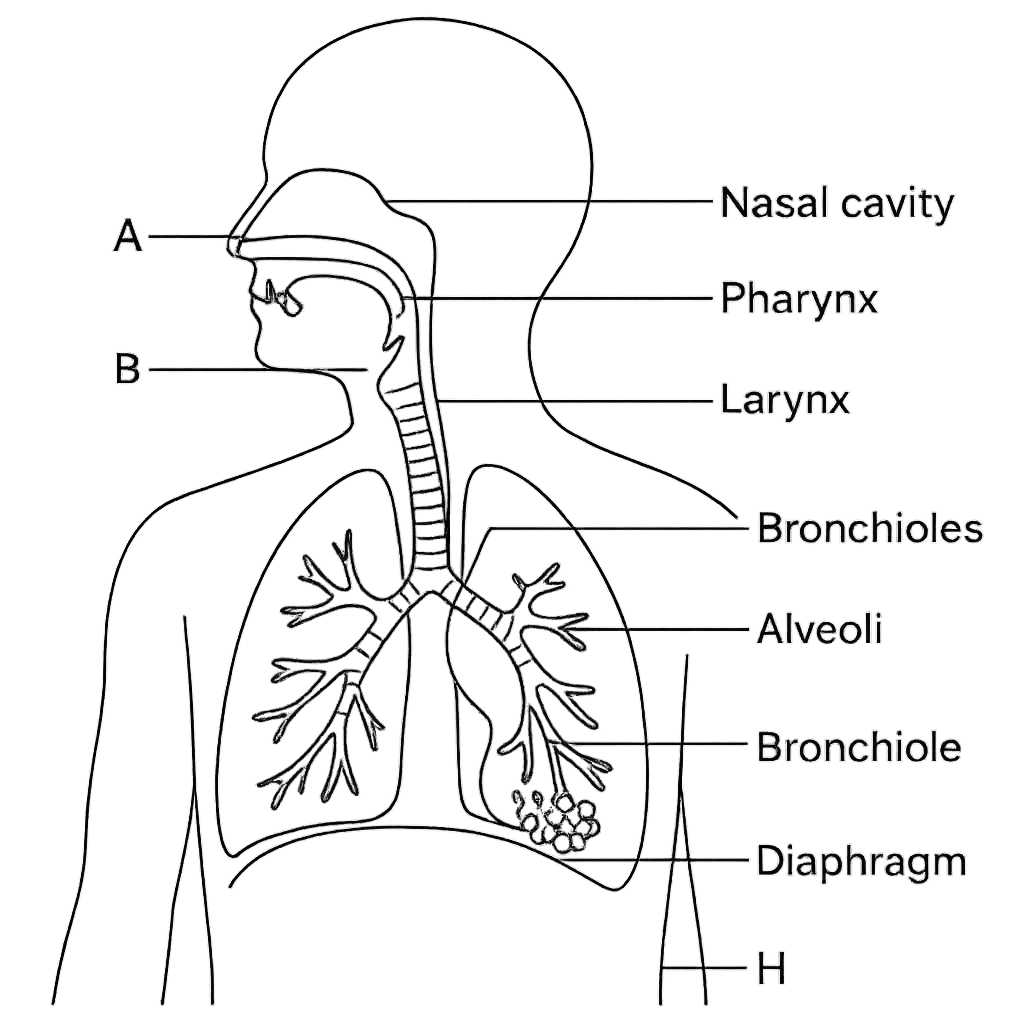
The diagram shows the major structures of the human respiratory system, each labelled from A to I.
Question Parts
(a)
i) List the structures labelled A–I in the order that air passes from the external environment to the alveoli. ii) For each structure, state its principal function in the respiratory process.
(b)
Explain the mechanism of external respiration that occurs in the alveoli, describing the role of partial pressure gradients and the structure of the respiratory membrane.
(c)
At rest a healthy adult has a tidal volume of 500 mL and a respiratory rate of 12 breaths min⁻¹. i) Calculate the minute ventilation at rest. ii) During moderate exercise the tidal volume rises to 1000 mL and the rate to 20 breaths min⁻¹; calculate the new minute ventilation and comment on the physiological significance of this change.
(d)
High altitude reduces the ambient partial pressure of oxygen. Discuss two short‑term and two long‑term physiological adaptations that help maintain adequate tissue oxygenation.
Detailed Essay Solution & Marking Scheme Available

Get the step-by-step mathematical proofs, key points required by examiners, and a comprehensive breakdown from our AI Tutor.

Question 5 View Details
Consider the processes involved in the transport of nutrients and gases in the human body.
Question Parts
(a)
Explain how oxygen is transported from the alveoli to the tissues, including the role of haemoglobin.
(b)
A drug is administered intravenously and must reach the brain. Outline the pathway it follows from the injection site to the brain, and discuss two factors that could limit its delivery.
(c)
Compare the mechanisms of bulk flow and diffusion in the circulatory system, giving one example of each and explaining why each is suited to its function.
Detailed Essay Solution & Marking Scheme Available

Get the step-by-step mathematical proofs, key points required by examiners, and a comprehensive breakdown from our AI Tutor.

Question 6 View Details
The kidneys play a crucial role in excretion and homeostasis in humans.
Question Parts
(a)
Describe the structure of a nephron and the function of each main part in urine formation.
(b)
Explain how the kidney regulates water balance when a person is dehydrated, including the hormonal control involved.
(c)
A patient has a defect in the counter‑current multiplier system of the kidney.
Detailed Essay Solution & Marking Scheme Available

Get the step-by-step mathematical proofs, key points required by examiners, and a comprehensive breakdown from our AI Tutor.

Question 7 View Details
Homeostasis is the maintenance of relatively stable internal conditions in the face of external changes.
Question Parts
(a)
Define homeostasis and explain the principle of negative feedback in physiological regulation.
(b)
Using blood glucose regulation as an example, describe the roles of insulin and glucagon, identifying the organs involved and the direction of change in blood glucose concentration.
(c)
Predict the short‑term and long‑term physiological consequences if insulin secretion is completely absent.
(d)
Evaluate why the maintenance of blood glucose within a narrow range is vital for normal cellular function.
Detailed Essay Solution & Marking Scheme Available

Get the step-by-step mathematical proofs, key points required by examiners, and a comprehensive breakdown from our AI Tutor.

Question 8 View Details
Coordination involves the integration of sensory information and motor responses to produce appropriate actions.
Question Parts
(a)
Outline the general pathway of a simple reflex arc, naming each component and its function.
Detailed Essay Solution & Marking Scheme Available

Get the step-by-step mathematical proofs, key points required by examiners, and a comprehensive breakdown from our AI Tutor.

Question 9 View Details
Answer the following questions on human reproductive biology.
Question Parts
(a)
Describe the hormonal regulation of the menstrual cycle, indicating the role of the hypothalamus, pituitary gland, ovary and the feedback mechanisms that operate during the follicular and luteal phases.
(b)
Compare and contrast fertilisation in mammals with fertilisation in an external fertilising organism such as a frog. Include at least three distinct differences in mechanism or environment.
(c)
A couple are using a combined oral contraceptive pill (COCP). Explain how the COCP prevents pregnancy, and discuss two possible side‑effects together with the physiological basis for each.
Detailed Essay Solution & Marking Scheme Available

Get the step-by-step mathematical proofs, key points required by examiners, and a comprehensive breakdown from our AI Tutor.

Question 10 View Details
Answer the following questions on genetics and inheritance.
Question Parts
(a)
Explain the molecular basis of DNA replication in eukaryotic cells, describing the specific role of at least three enzymes involved in the process.
(b)
A pedigree chart shows a trait that appears in every generation, affects both sexes equally, but no male‑to‑male transmission is observed. Identify the most likely mode of inheritance and justify your answer.
(c)
In a population the frequency of allele A is 0.6 and allele a is 0.4. Assuming Hardy–Weinberg equilibrium, calculate the expected genotype frequencies and state the proportion of individuals who are carriers for a recessive disorder caused by allele a.
(d)
Discuss two ethical considerations associated with the use of CRISPR‑Cas9 technology in human embryos.
Detailed Essay Solution & Marking Scheme Available

Get the step-by-step mathematical proofs, key points required by examiners, and a comprehensive breakdown from our AI Tutor.

Master the Exam!

You've seen a preview, but there are thousands more questions plus AI tutor to break down complex solutions.

Unlock Full Access Available for Android & Windows
Help others prepare! Share this practice hub:
Chat with Support