waec model questions vol1 2025 chemistry | Essay

Are you preparing for waec model questions vol1 exams? Reviewing past questions is one of the most effective ways to guarantee a high score. This practice hub features authentic 2025 chemistry (Essay) questions designed to simulate the real exam environment.

Practice these randomly selected questions to test your readiness.
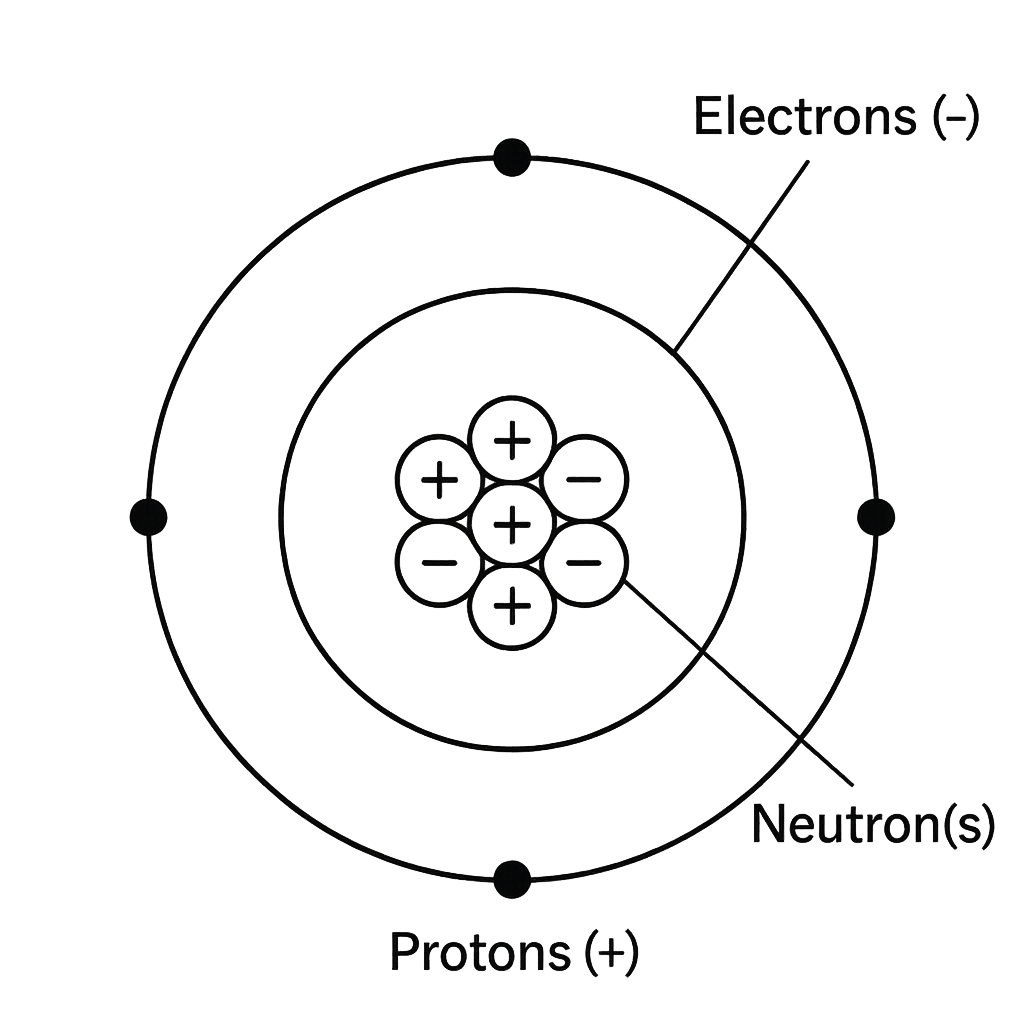
Question 1
Discuss the key features of atomic structure, including the arrangement of subatomic particles, their charges, and how these contribute to the overall properties of elements. Use the provided diagram of an atom to illustrate your points.
Detailed Essay Solution & Marking Scheme Available

Get the step-by-step mathematical proofs, key points required by examiners, and a comprehensive breakdown from our AI Tutor.
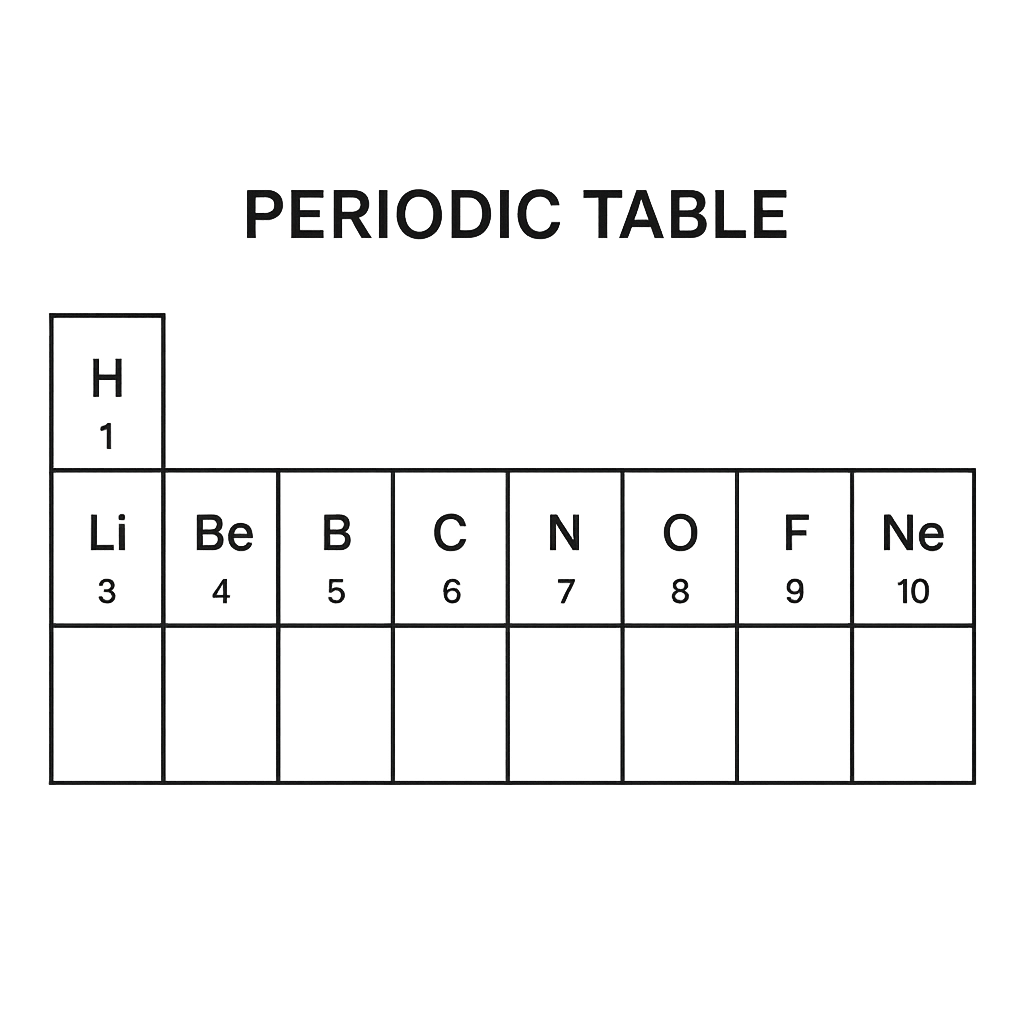
Question 2
Explain the significance of the periodic table in understanding chemical properties and trends among elements. Include a discussion on how the arrangement of elements reflects their atomic structure and predictability in chemical behavior.
Detailed Essay Solution & Marking Scheme Available

Get the step-by-step mathematical proofs, key points required by examiners, and a comprehensive breakdown from our AI Tutor.
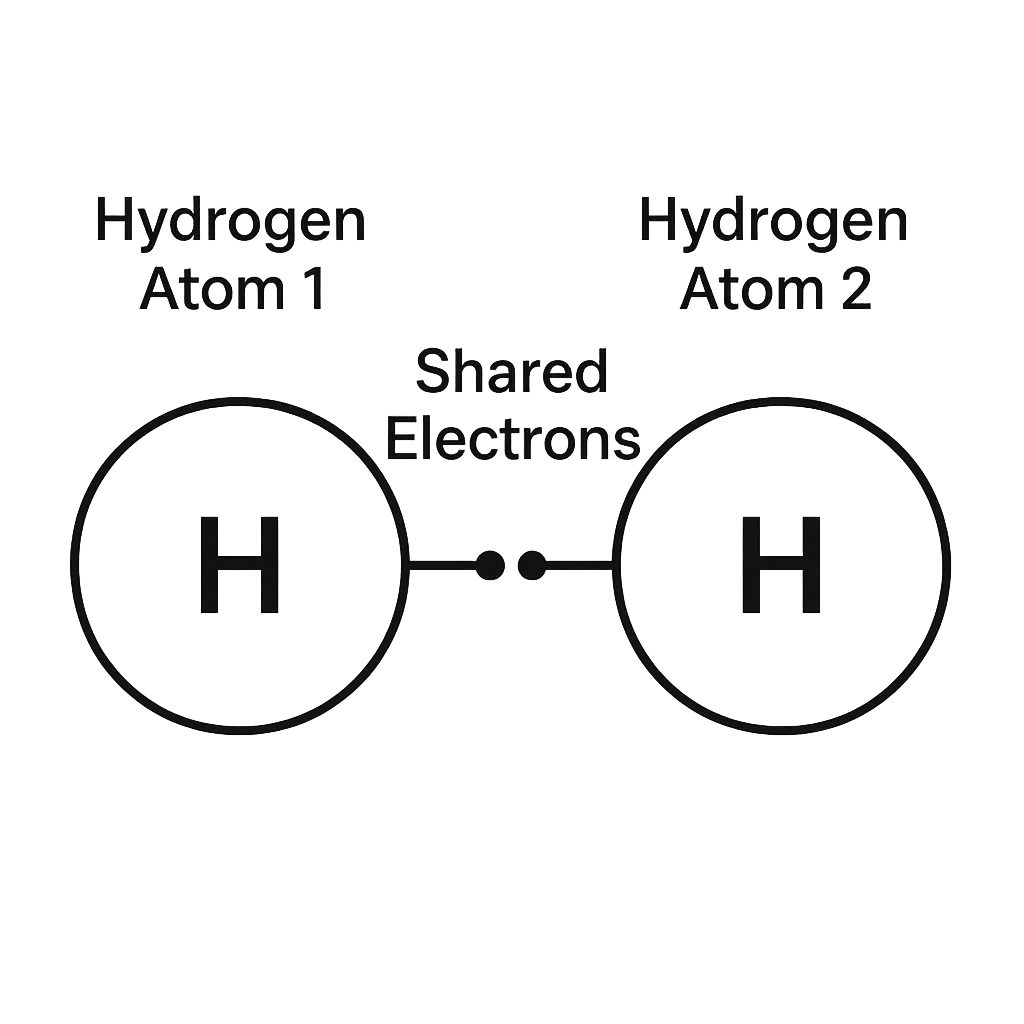
Question 3
Discuss the concept of chemical bonding, focusing on the types of bonds formed between atoms. Illustrate your answer with a labelled diagram of a covalent bond between two hydrogen atoms and a sodium chloride molecule. Explain the significance of electron sharing in covalent bonds and the transfer of electrons in ionic bonds. Additionally, discuss how these bonding types affect the properties of the resulting compounds.
Question Parts
(a)
Draw and label a diagram representing a covalent bond between two hydrogen atoms, indicating the shared electrons.
(b)
Explain the differences between ionic and covalent bonds, focusing on the electron transfer and sharing processes.
(c)
Discuss how the type of bonding affects the physical and chemical properties of compounds.
Detailed Essay Solution & Marking Scheme Available

Get the step-by-step mathematical proofs, key points required by examiners, and a comprehensive breakdown from our AI Tutor.
Question 4
The mole concept is fundamental in chemistry. Explain the concept of a mole, Avogadro's number, and how to calculate the number of moles in a given mass of a substance. Provide examples to illustrate your explanation.
Detailed Essay Solution & Marking Scheme Available

Get the step-by-step mathematical proofs, key points required by examiners, and a comprehensive breakdown from our AI Tutor.

Question 5
A sample of a compound contains 5.0 g of sodium (Na), 8.0 g of oxygen (O), and 2.0 g of hydrogen (H). Calculate the empirical formula of the compound. Additionally, if the molar mass of the compound is determined to be 180 g/mol, derive its molecular formula.
Question Parts
(a)
Calculate the number of moles of each element in the compound.
(b)
Determine the simplest mole ratio of the elements.
(c)
Using the empirical formula, calculate the molecular formula of the compound.
Detailed Essay Solution & Marking Scheme Available

Get the step-by-step mathematical proofs, key points required by examiners, and a comprehensive breakdown from our AI Tutor.

Question 6
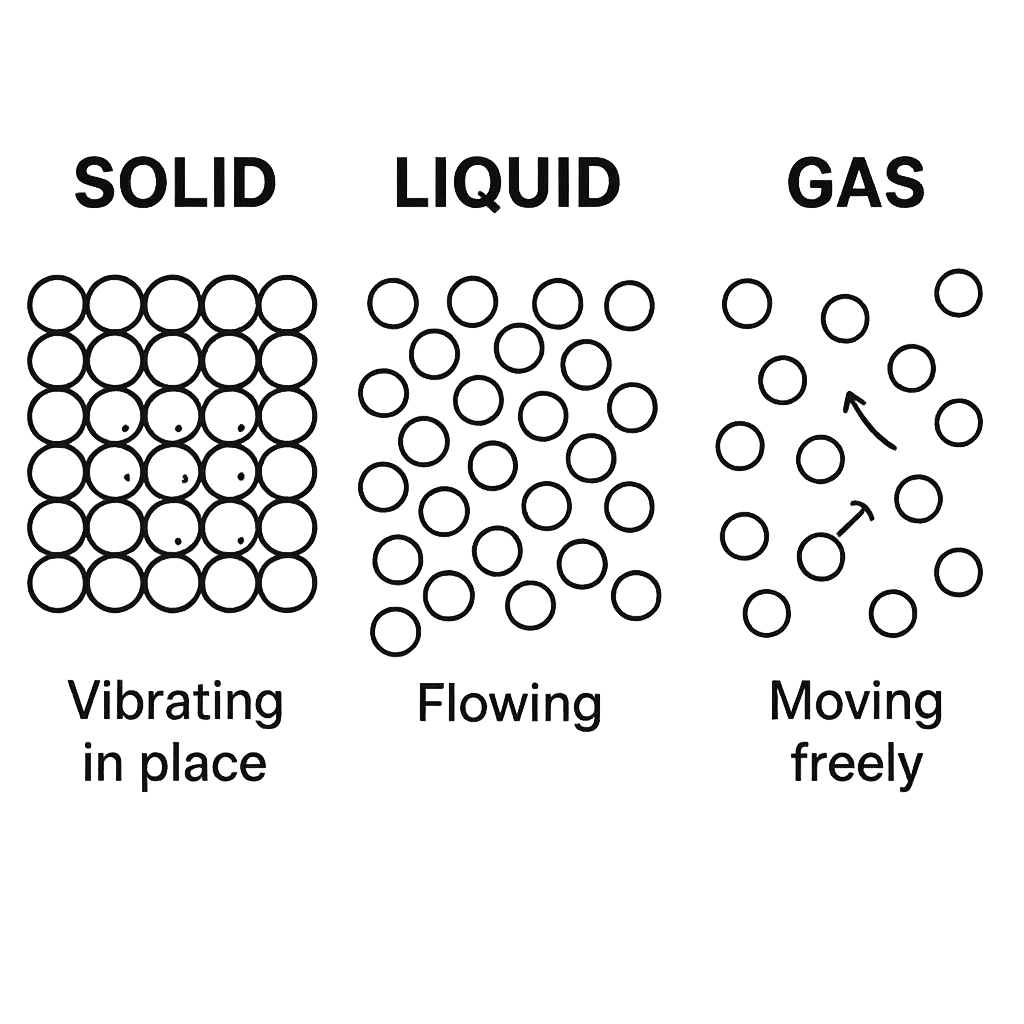
Describe the properties of solids, liquids, and gases, highlighting how these properties relate to the arrangement and movement of particles in each state of matter. Use diagrams to illustrate your points where appropriate.
Detailed Essay Solution & Marking Scheme Available

Get the step-by-step mathematical proofs, key points required by examiners, and a comprehensive breakdown from our AI Tutor.

Question 7
Discuss the properties and reactions of acids, bases, and salts, focusing on their definitions, characteristics, and the role they play in everyday life. Include examples of common acids and bases, and explain how they interact with one another to form salts. In your discussion, also highlight the significance of pH in determining the strength of acids and bases.
Question Parts
(a)
Define acids and bases according to the Bronsted-Lowry theory. Provide two examples of each and describe their characteristics.
(b)
Explain how acids and bases react with each other to form salts. Include a balanced chemical equation for a specific example of such a reaction.
(c)
Discuss the importance of pH in determining the strength of acids and bases. How can pH be measured, and what are the implications of pH levels in everyday situations?
Detailed Essay Solution & Marking Scheme Available

Get the step-by-step mathematical proofs, key points required by examiners, and a comprehensive breakdown from our AI Tutor.

Question 8
Describe the concept of solubility, including factors that affect the solubility of substances in solvents. Discuss the significance of solubility in practical applications, providing examples from everyday life.
Question Parts
(a)
Define solubility and explain how it is quantitatively measured.
(b)
Identify and explain at least three factors that influence the solubility of a substance in a solvent.
(c)
Discuss the practical applications of solubility in everyday life, providing at least two examples.
Detailed Essay Solution & Marking Scheme Available

Get the step-by-step mathematical proofs, key points required by examiners, and a comprehensive breakdown from our AI Tutor.

Master the Exam!

You've seen a preview, but there are thousands more questions plus AI tutor to break down complex solutions.

Unlock Full Access Available for Android & Windows
Help others prepare! Share this practice hub:
Chat with Support