waec model questions vol1 2023 biology | Essay

Prepare for your exams with waec model questions vol1 questions? Reviewing past/model questions is one of the most effective ways to guarantee a high score. This practice hub features authentic 2023 biology (Essay) questions designed to simulate the real exam environment.

Practice these randomly selected questions to test your readiness.
Question 1 View Details
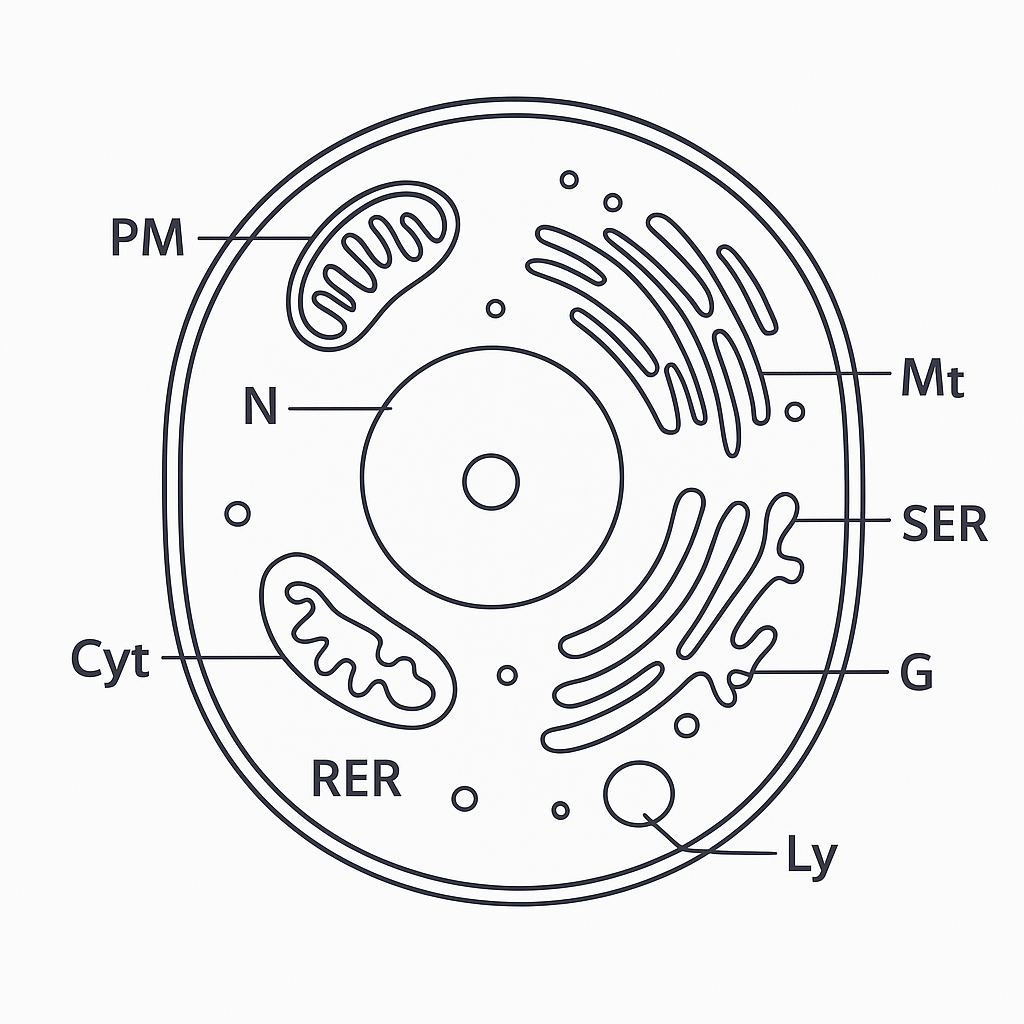
The diagram shows a typical animal cell with its major organelles labelled.
Question Parts
(a)
Identify any three organelles shown in the diagram and state the principal function of each.
(b)
Explain how the structure of the plasma membrane enables it to regulate the entry and exit of substances.
(c)
Compare this animal cell with a typical plant cell in terms of the presence or absence of a cell wall and chloroplasts, and discuss the significance of these differences for osmoregulation.
Detailed Essay Solution & Marking Scheme Available

Get the step-by-step mathematical proofs, key points required by examiners, and a comprehensive breakdown from our AI Tutor.
Question 2 View Details
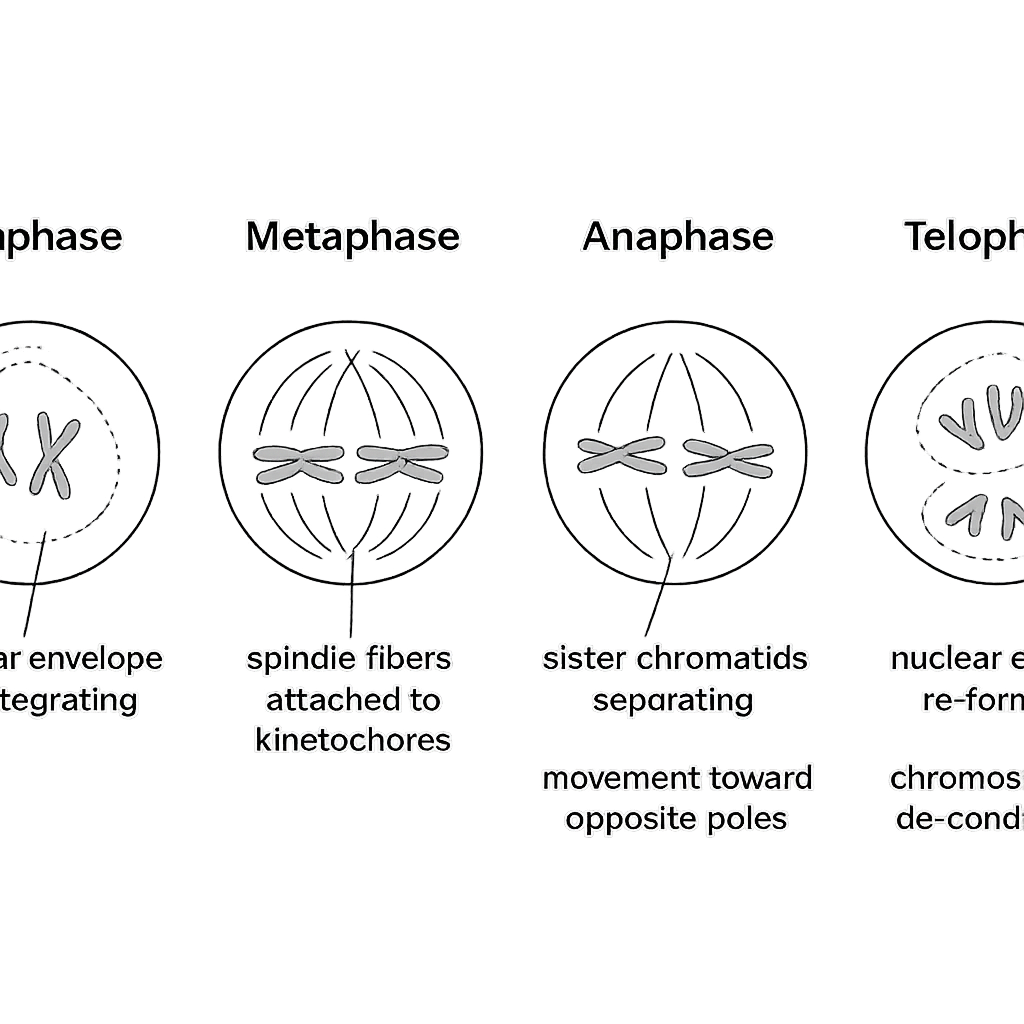
The labelled diagram depicts the sequential stages of mitosis in a eukaryotic cell.
Question Parts
(a)
Label the four stages shown in the diagram.
(b)
For each stage, describe the principal events that occur with respect to chromosome behaviour and spindle apparatus formation.
(c)
Explain why accurate segregation of chromosomes during mitosis is essential for genetic stability, and outline the possible consequences of errors in this process.
Detailed Essay Solution & Marking Scheme Available

Get the step-by-step mathematical proofs, key points required by examiners, and a comprehensive breakdown from our AI Tutor.
Question 3 View Details
A 15‑year‑old girl weighing 55 kg and 160 cm tall is a secondary school student who participates in moderate‑intensity basketball training three times a week for 90 minutes each session. She consumes a mixed diet whose average composition per 100 g of food is: carbohydrate 55 g, protein 12 g, fat 10 g, fibre 5 g, ash 2 g. The total daily food intake is 2 kg.
Question Parts
(a)
Estimate her basal metabolic rate (BMR) using the Schofield equation for females aged 10‑18: BMR (kcal/day) = 13.384 × weight (kg) + 692.6. Show your calculation.
(b)
Determine her total daily energy expenditure (TDEE) assuming a physical activity level (PAL) of 1.6 for moderate activity and adding the extra energy cost of basketball sessions, where each minute of moderate‑intensity basketball burns 8 kcal. Show all steps.
(c)
Using the food composition data, calculate the total daily energy supplied by the diet (use 4 kcal/g for carbohydrate and protein, 9 kcal/g for fat). Compare this value with her TDEE and comment on whether her diet is adequate, insufficient or excessive. Provide a brief explanation linking to possible health consequences.
(d)
The diet provides 55 g of fibre per day. Discuss the role of dietary fibre in the digestive system and its importance for a teenage athlete.
Detailed Essay Solution & Marking Scheme Available

Get the step-by-step mathematical proofs, key points required by examiners, and a comprehensive breakdown from our AI Tutor.
Question 4 View Details
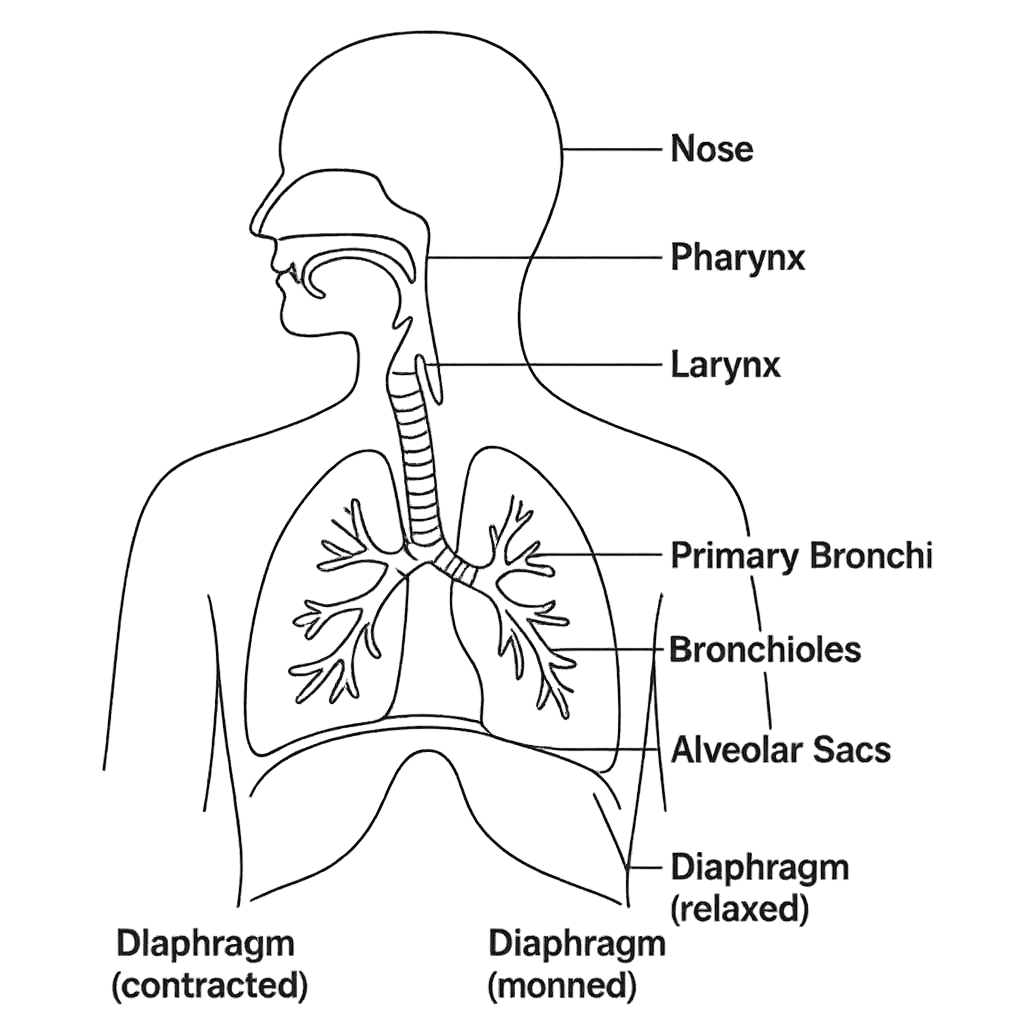
The diagram shows a labelled illustration of the human respiratory system, including the external nose, pharynx, larynx, trachea, primary bronchi, bronchioles, alveolar sacs and the diaphragm in both contracted and relaxed positions.
Question Parts
(a)
Describe, in the correct order, the pathway that a breath of air follows from the external environment to the site of gas exchange, naming each structure it passes through.
(b)
Explain the mechanism of gas exchange that occurs in the alveolar‑capillary membrane, stating the role of partial pressure gradients of oxygen and carbon dioxide.
(c)
Using the diagram, describe how the movement of the diaphragm during contraction and relaxation alters thoracic volume and intra‑thoracic pressure, and how these changes facilitate inhalation.
(d)
A student records that the volume of oxygen consumed during moderate exercise is 30 % higher than at rest. Discuss two physiological adaptations of the respiratory system that occur during exercise and could account for this increase.
Detailed Essay Solution & Marking Scheme Available

Get the step-by-step mathematical proofs, key points required by examiners, and a comprehensive breakdown from our AI Tutor.

Question 5 View Details
The human circulatory system transports blood, nutrients, gases and waste products to and from the cells of the body.
Question Parts
(a)
Describe the complete route taken by a pulse of oxygen‑rich blood from the left ventricle to the capillary beds of the skeletal muscle in the right thigh.
(b)
Explain the three mechanisms by which exchange of nutrients and wastes occurs across the capillary wall.
(c)
A person suffers a partial occlusion of the femoral artery supplying the same thigh. Discuss two physiological consequences of this blockage and how the body may compensate.
Detailed Essay Solution & Marking Scheme Available

Get the step-by-step mathematical proofs, key points required by examiners, and a comprehensive breakdown from our AI Tutor.

Question 6 View Details
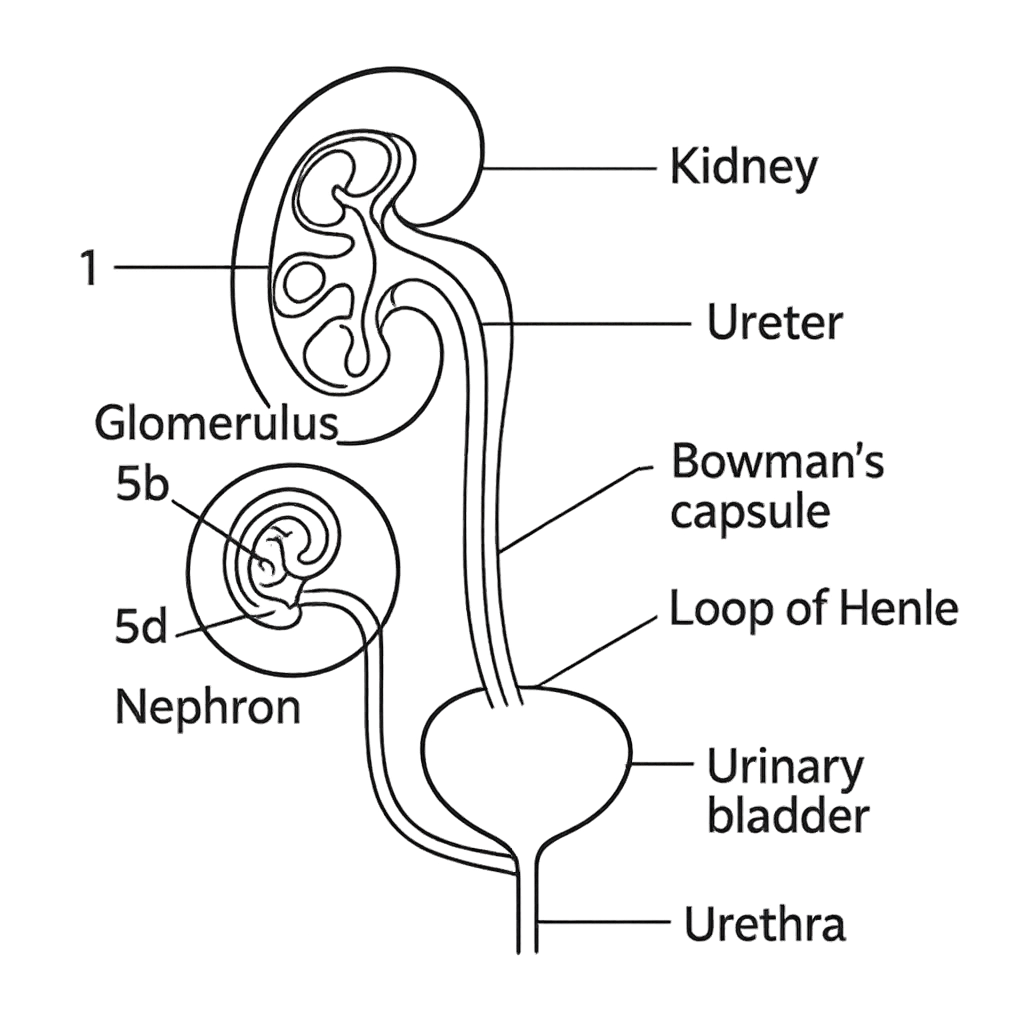
The diagram shows the major structures of the human urinary (excretory) system, including the kidney with a representative nephron, ureters, urinary bladder and urethra.
Question Parts
(a)
Label each of the numbered parts in the diagram with the correct anatomical term.
(b)
Describe the formation of urine in the nephron, covering the three principal processes.
(c)
A patient has a congenital defect that shortens the descending limb of the Loop of Henle. Predict how this defect will affect the concentration of the final urine and explain the physiological basis.
(d)
During intense exercise, a person loses 2.5 L of water through sweating. Assuming the kidneys continue to filter blood at a normal rate (≈180 L/day) and that the remaining body water is 38 L with an initial plasma osmolarity of 300 mOsm·kg⁻¹, estimate the new plasma osmolarity after the water loss, ignoring solute loss through sweat. Show all reasoning steps.
Detailed Essay Solution & Marking Scheme Available

Get the step-by-step mathematical proofs, key points required by examiners, and a comprehensive breakdown from our AI Tutor.

Question 7 View Details
Two different homeostatic disturbances are described below: (i) A healthy adult is suddenly exposed to a hot, humid environment and begins to sweat profusely. (ii) A 45‑year‑old man with type‑2 diabetes mellitus has chronically elevated blood glucose levels because of insufficient insulin secretion. Using these situations, answer the following:
Question Parts
(a)
Explain the negative feedback mechanism that regulates body temperature in situation (i). Include the sensor, integrating centre, and effector in your answer.
(b)
Describe the negative feedback loop that controls blood glucose concentration in situation (ii). Mention the key organs, hormones and cellular actions involved.
(c)
Compare the temperature‑regulation and blood‑glucose‑regulation feedback mechanisms in terms of their sensors, effectors and the speed of response.
(d)
Discuss the likely physiological consequences if each of the two feedback mechanisms fails.
Detailed Essay Solution & Marking Scheme Available

Get the step-by-step mathematical proofs, key points required by examiners, and a comprehensive breakdown from our AI Tutor.

Question 8 View Details
Consider the following statements about the human coordination system: (i) A rapid withdrawal reflex is initiated when a painful stimulus is applied to the skin. (ii) During a graded contraction of the quadriceps, motor units are recruited according to the size principle. (iii) Exposure to a sudden threat triggers a coordinated fight‑or‑flight response involving both the nervous and endocrine systems. Answer the questions that follow:
Question Parts
(a)
Describe the structure of a typical monosynaptic reflex arc and explain how it enables a rapid withdrawal response.
(b)
Explain how the size principle governs motor‑unit recruitment during a graded contraction of the quadriceps.
(c)
A neurotoxin blocks the release of acetylcholine at the neuromuscular junction. Discuss the likely effects of this toxin on the coordination of voluntary movements.
Detailed Essay Solution & Marking Scheme Available

Get the step-by-step mathematical proofs, key points required by examiners, and a comprehensive breakdown from our AI Tutor.

Master the Exam!

You've seen a preview, but there are thousands more questions plus AI tutor to break down complex solutions.

Unlock Full Access Available for Android & Windows
Help others prepare! Share this practice hub:
Chat with Support