waec model questions vol1 2021 biology | Essay

Prepare for your exams with waec model questions vol1 questions? Reviewing past/model questions is one of the most effective ways to guarantee a high score. This practice hub features authentic 2021 biology (Essay) questions designed to simulate the real exam environment.

Practice these randomly selected questions to test your readiness.
Question 1 View Details
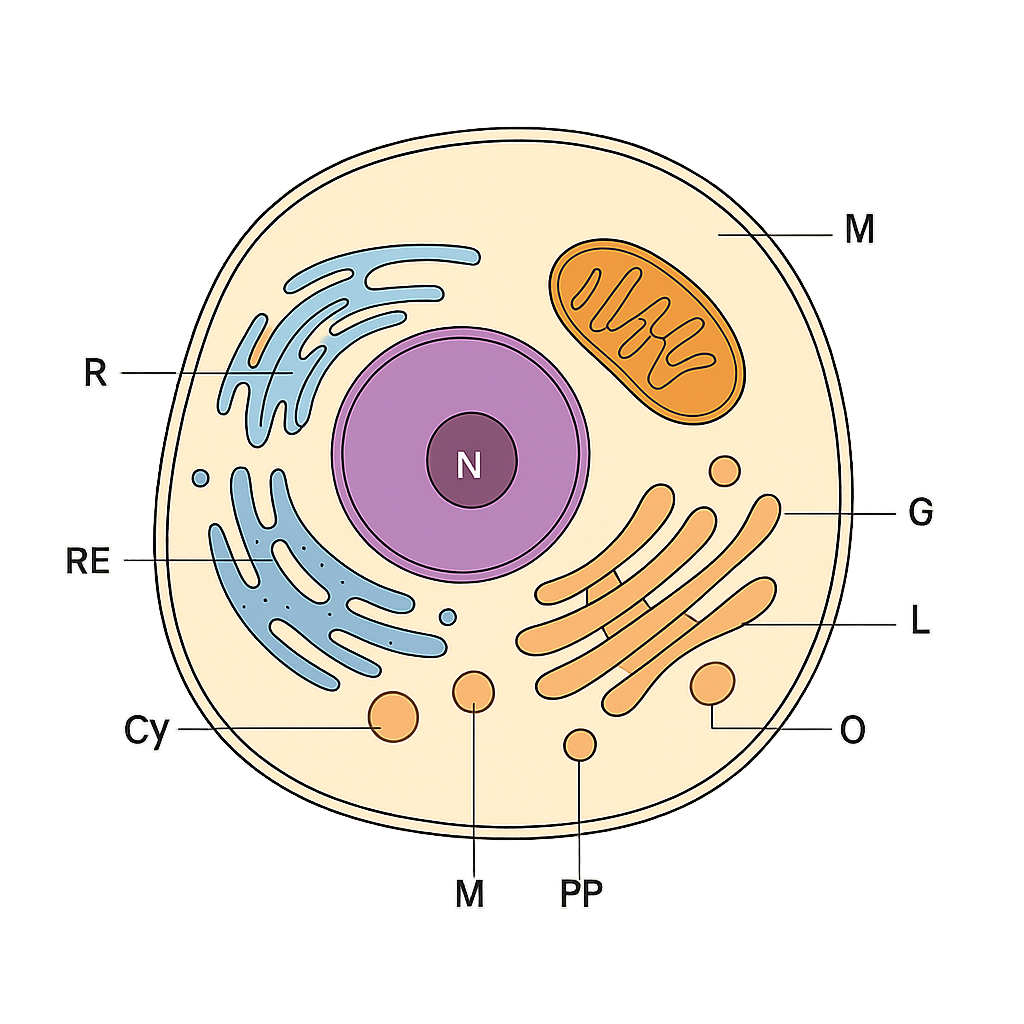
The diagram shows a typical animal cell with its major organelles labelled.
Question Parts
(a)
Identify three organelles that are directly involved in protein synthesis and describe the specific role of each in the process.
(b)
Explain how the structure of the cell membrane enables it to act as a selectively permeable barrier.
(c)
A drug reduces the efficiency of the mitochondrial electron‑transport chain, decreasing ATP production by 30 %. Discuss two cellular activities that would be most affected by this reduction and explain why.
Detailed Essay Solution & Marking Scheme Available

Get the step-by-step mathematical proofs, key points required by examiners, and a comprehensive breakdown from our AI Tutor.
Question 2 View Details
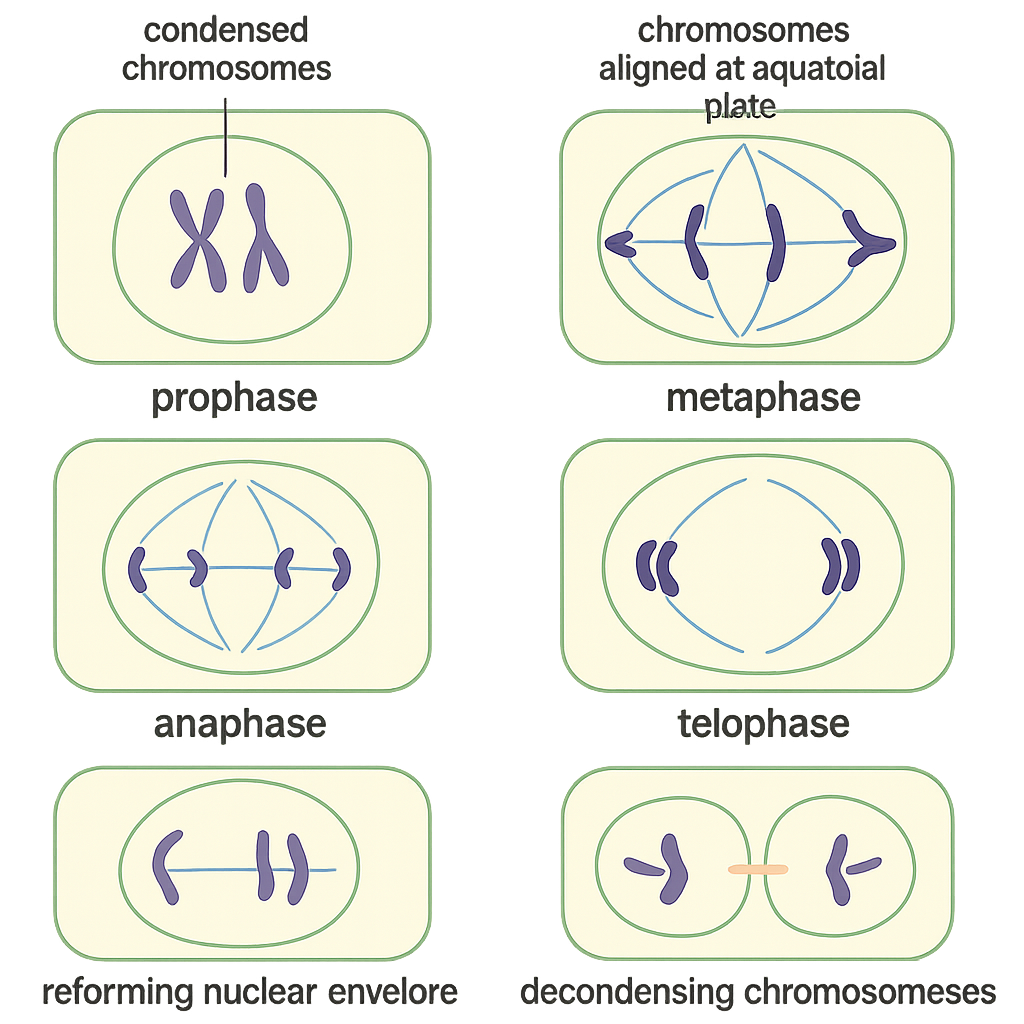
The diagram depicts the stages of mitosis in a plant cell, from prophase through cytokinesis.
Question Parts
(a)
Label each stage shown in the diagram and state one key event that characterises that stage.
(b)
A diploid somatic cell (2n) enters mitosis. Calculate the percentage increase in the number of chromosome units when the cell reaches metaphase, showing all steps of your reasoning.
(c)
During meiosis I, a mutagen causes nondisjunction in anaphase I, producing a gamete with an extra chromosome. Explain how fertilisation of this gamete with a normal haploid gamete could affect the resulting zygote, and give one possible phenotypic consequence in the offspring.
Detailed Essay Solution & Marking Scheme Available

Get the step-by-step mathematical proofs, key points required by examiners, and a comprehensive breakdown from our AI Tutor.
Question 3 View Details
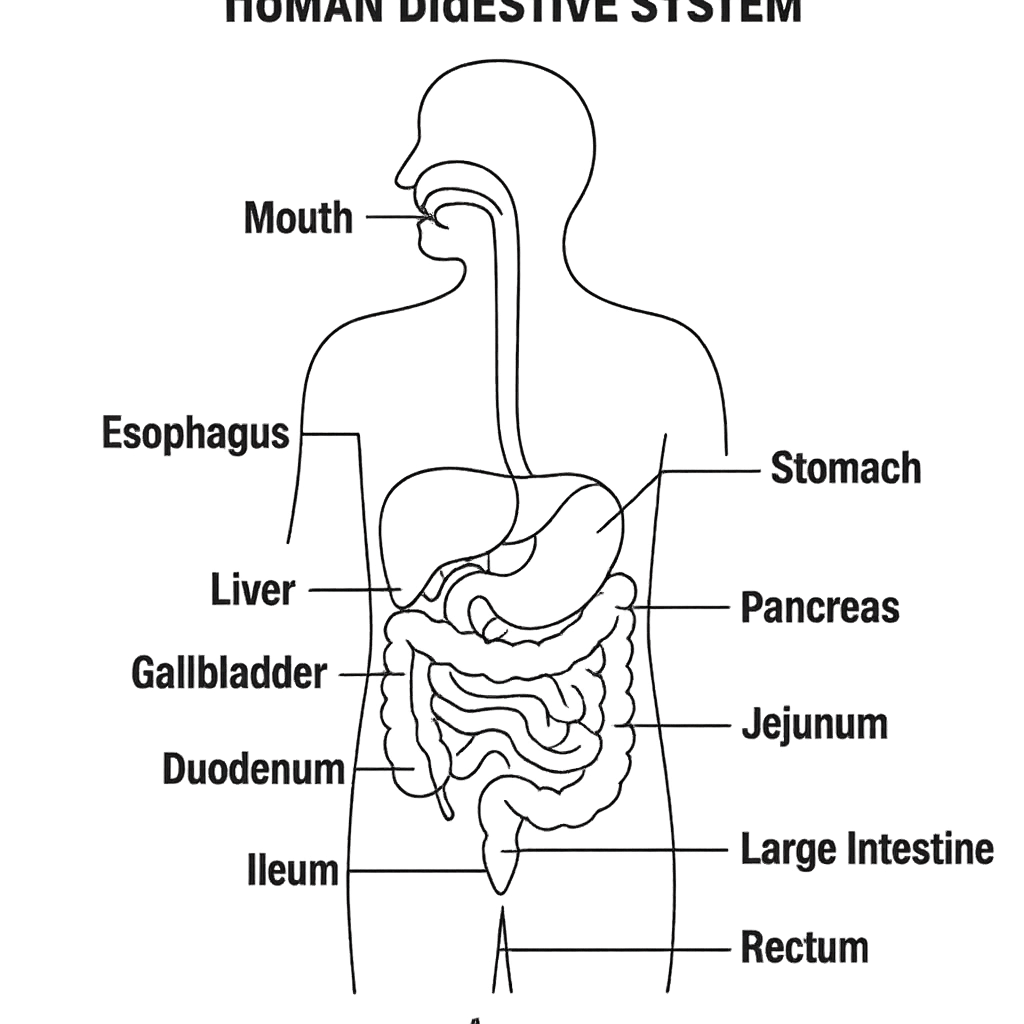
The labelled diagram illustrates the major organs of the human digestive system involved in the processing, digestion and absorption of nutrients.
Question Parts
(a)
For each labelled organ in the diagram, briefly state its principal function in the digestion and/or absorption of nutrients.
(b)
Explain how the structural specialisations of the small intestine – namely the circular folds, villi and micro‑villi – increase the efficiency of nutrient absorption.
(c)
A patient has been diagnosed with a deficiency of pancreatic lipase. Using the diagram, discuss the likely nutritional consequences of this deficiency and propose two dietary modifications that could help mitigate these effects.
Detailed Essay Solution & Marking Scheme Available

Get the step-by-step mathematical proofs, key points required by examiners, and a comprehensive breakdown from our AI Tutor.
Question 4 View Details
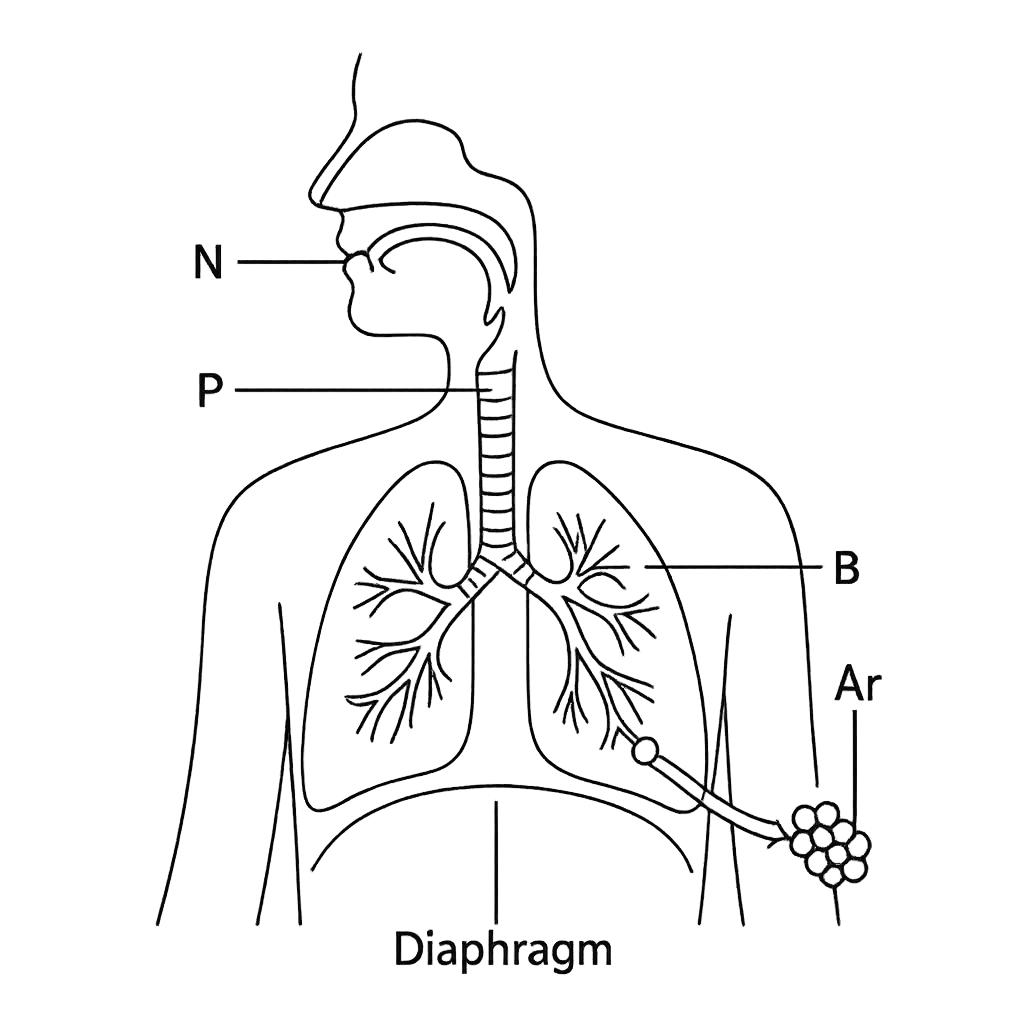
The diagram shows the major structures of the human respiratory system.
Question Parts
(a)
Describe the complete pathway that inhaled air follows from the external environment to the site where gas exchange occurs, naming each structure in the order shown in the diagram.
(b)
Explain how contraction of the diaphragm and the external intercostal muscles produces ventilation. Indicate the changes in thoracic cavity volume during inhalation and exhalation.
(c)
Given that the partial pressure of oxygen (PO₂) in alveolar air is 100 mmHg and in the pulmonary capillary blood is 40 mmHg, discuss why oxygen diffuses from alveoli into blood using the concept of concentration gradient. State what would happen to the rate of diffusion if the alveolar wall became abnormally thick, as in emphysema.
(d)
A resting adult has a tidal volume of 500 mL and a respiratory rate of 12 breaths per minute. Calculate the minute ventilation. Then discuss two physiological factors that would increase minute ventilation during vigorous exercise.
Detailed Essay Solution & Marking Scheme Available

Get the step-by-step mathematical proofs, key points required by examiners, and a comprehensive breakdown from our AI Tutor.

Question 5 View Details
The circulatory system transports nutrients, gases and wastes throughout the body. In a healthy adult the heart beats at a resting rate of 72 beats per minute and each ventricular contraction ejects a stroke volume of 70 mL of blood.
Question Parts
(a)
Calculate the resting cardiac output in litres per minute.
(b)
During moderate exercise the heart rate rises to 120 beats per minute and stroke volume increases by 30 %. Determine the new cardiac output and explain how this increase meets the metabolic demands of exercising muscle tissue.
(c)
Explain how the structure of capillaries facilitates exchange of nutrients and wastes between blood and tissues. Mention at least three structural features.
Detailed Essay Solution & Marking Scheme Available

Get the step-by-step mathematical proofs, key points required by examiners, and a comprehensive breakdown from our AI Tutor.

Question 6 View Details
The human kidney maintains internal homeostasis by filtering blood, re‑absorbing needed substances and excreting waste. The glomerular filtration rate (GFR) in a healthy adult is about 125 mL per minute.
Question Parts
(a)
Describe the pathway of the filtrate from its formation in the renal corpuscle to its exit as urine, naming each major structure it passes through.
(b)
If 99 % of the filtered Na⁺ is re‑absorbed and 65 % of the filtered water is re‑absorbed, calculate the percentage of the filtered volume that appears as urine and the percentage of filtered Na⁺ that is excreted. Show your reasoning.
(c)
Discuss how the counter‑current multiplier system in the loop of Henle contributes to the concentration of urine, and explain why this mechanism is essential for water conservation in humans living in a desert environment.
Detailed Essay Solution & Marking Scheme Available

Get the step-by-step mathematical proofs, key points required by examiners, and a comprehensive breakdown from our AI Tutor.

Question 7 View Details
Answer the following questions on the concept of homeostasis in the human body.
Question Parts
(a)
Explain how the pancreas contributes to the regulation of blood glucose concentration, describing the roles of insulin and glucagon.
(b)
Describe the negative‑feedback mechanism that controls body temperature in humans when ambient temperature rises.
(c)
A person is suddenly exposed to a hot, humid environment. Explain the sequence of physiological responses that occur to restore thermal homeostasis, and discuss why the effectiveness of these responses may be limited under humid conditions.
(d)
Evaluate the consequences of a chronic disturbance in glucose homeostasis, using diabetes mellitus type 2 as an example. Include at least two organ systems affected and the underlying pathophysiological mechanisms.
Detailed Essay Solution & Marking Scheme Available

Get the step-by-step mathematical proofs, key points required by examiners, and a comprehensive breakdown from our AI Tutor.

Question 8 View Details
Answer the following questions on the coordination system of the human body.
Question Parts
(a)
Compare the structure and function of a typical neuron with that of a skeletal muscle fibre.
(b)
Outline the sequence of events that occur from the moment a tactile stimulus is applied to the skin to the contraction of a skeletal muscle in a simple reflex arc.
(c)
Discuss the role of neurotransmitters in synaptic transmission, including the processes of reuptake and enzymatic degradation, and explain why these mechanisms are essential for normal nervous system function.
Detailed Essay Solution & Marking Scheme Available

Get the step-by-step mathematical proofs, key points required by examiners, and a comprehensive breakdown from our AI Tutor.

Master the Exam!

You've seen a preview, but there are thousands more questions plus AI tutor to break down complex solutions.

Unlock Full Access Available for Android & Windows
Help others prepare! Share this practice hub:
Chat with Support