UTME 2025 Commerce | Objective

Practice these randomly selected questions to test your readiness.

Question 1
Commerce is defined as the study of how
A. man utilizes the resources in his physical environment
B. man produces, distributes and consumes his goods and services
C. man buys, sells and distributes goods and services
D. raw materials are changed into finished goods.
Question 2
The document submitted to the customs authority when full description of imported goods is not provided is
A. a bill of sight
B. an invoice
C. an indent
D. a bill of entry
Question 3
An agent who brings a customer into business contact with his principal is known as
A. a del credere agent
B. an auctioneer
C. a factor
D. a broker
Question 4
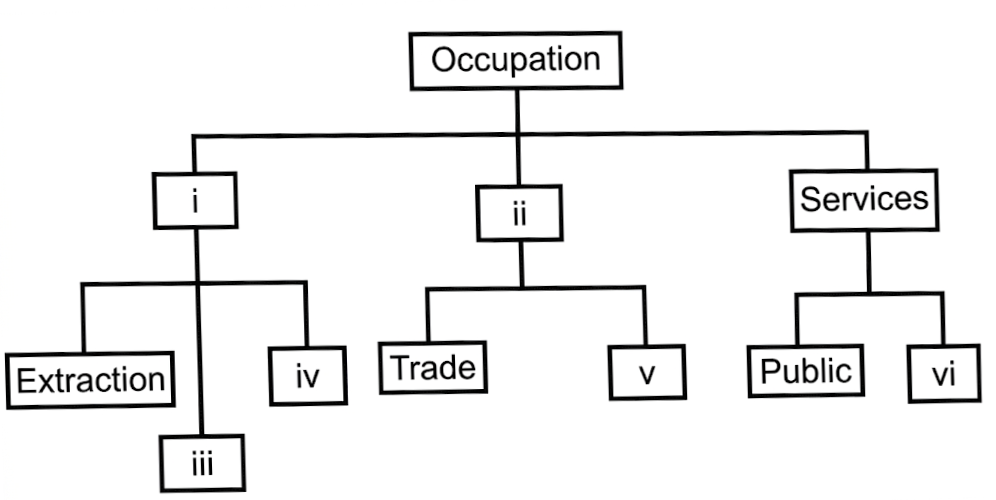
Secondary production has to do with changing the
A. shape of raw materials through construction operations
B. physical form of raw materials into finished goods
C. utility of raw materials by an engineering process
D. nature of raw materials through manufacturing processes.
Question 5
A document which gives a legal status to a company is the certificate of
A. incorporation
B. trading
C. commencement of business
D. insurance
Question 6
Communication is relevant in business because
A. it creates wealth for people
B. reduces the cost and risk of travelling
C. connects people
D. enhances delivery of goods and services
Question 7
In international trade, exchanging goods for other goods and services purchased instead of paying in foreign currency is known as
A. countertrade
B. balance of trade
C. balance of payments
D. terms of trade
Question 8
The most commonly used commercial documents are
A. order notes, debit notes, invoices and quotations
B. letters of enquiry, consignment notes, receipts and invoices
C. credit notes, statement of accounts, dispatch order and bills
D. balance sheet, receipts, invoices and manifests
Question 9
The partner that only contributes part of the capital used in the formation and running of a business is known as
A. a passive partner
B. an active partner
C. a dormant partner
D. a nominal partner.
Question 10
The principle of subrogation states that an insured person should be indemnified to the tune of the amount insured
A. an insurance company can stand in place of the insured in dealing with third party
B. only a person who is likely to suffer loss should take out an insurance cover
C. there must be a close connection between the actual loss suffered and risk insured.
Question 11
A payment made to the insured by the insurer outside its legal obligation is
A. premium paid
B. gratis payment
C. surrender value
D. sum assured
Question 12
The type of partnership in which all partners are jointly liable in bearing risks is
A. limited partnership
B. partnership-at-will
C. ordinary partnership
D. industrial partnership
Question 13
Coverage against unexpected events is called
A. insurance
B. assurance
C. warranty
D. reinsurance.
Question 14
The most important benefit of insurance is that it provides
A. control over activities
B. the insured with a right to premium
C. the insured with a right to full compensation
D. protection against risks
Question 15
A bill of exchange already accepted can be discounted by
A. the holder in A
B. the central bank
C. his bank
D. any bank.

Master the Exam!

You've seen a preview, but there are thousands more questions plus AI tutor to break down complex solutions.

Unlock Full Access Available for Android & Windows
Help others prepare! Share this practice hub: