UTME 2017 Biology | Objective

Practice these randomly selected questions to test your readiness.

Question 1
Which of the following is not an excretory organ?
A. Lungs
B. Kidney
C. Leaf
D. Large intestine.
Question 2
The leech and the earthworm belong to the
A. molluses
B. crustaceans
C. arachnids
D. annelids
Question 3
Coconut and oil palm fruits can be grouped as
A. berry
B. legume
C. capsule
D. drupe.
Question 4
To facilitate gaseous exchange, breathing roots have
A. stomata
B. Mitochondria
C. Cuticle
D. lenticels
Question 5
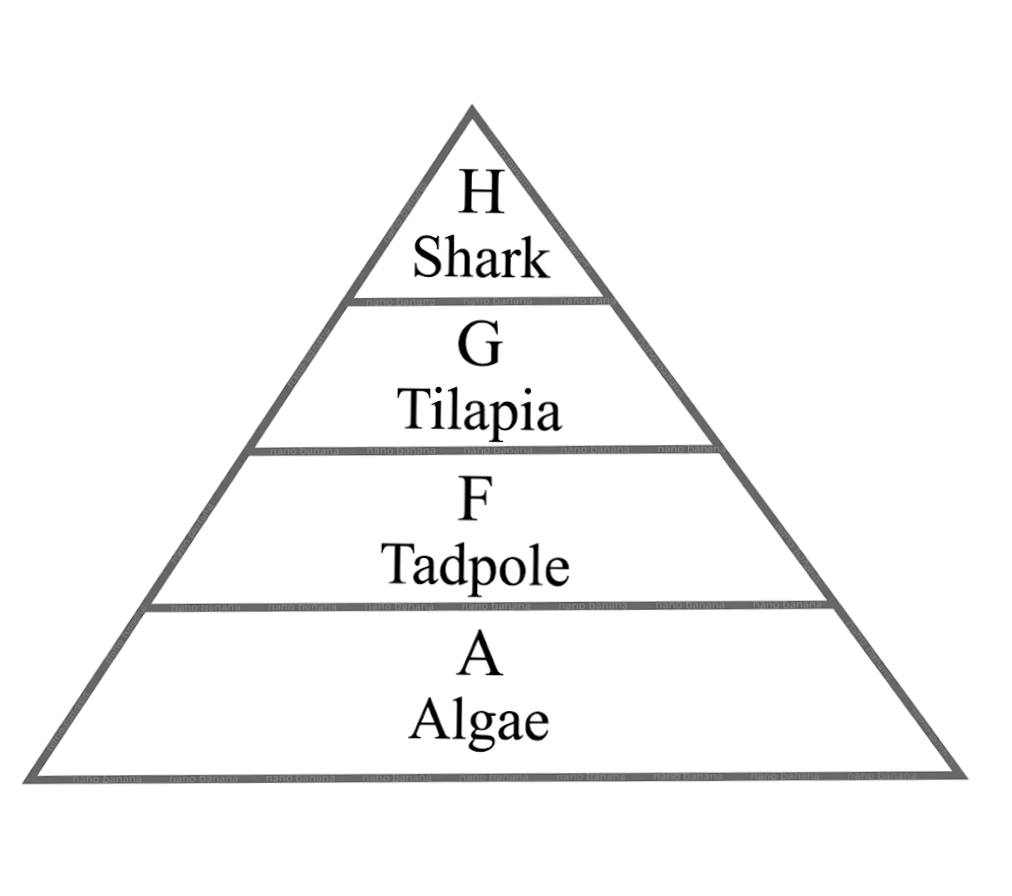
Which level of the pyramid has the least total stored energy?
A. E
B. F
C. G
D. H
Question 6
Which of the following lacks chaetae, tentacles, and antennae?
A. Snail
B. Crab
C. Millipede
D. Earthworm
Question 7
Secondary thickening is initiated in a dicotyledonous stem by the
A. xylem parenchyma
B. secondary phloem
C. endodermis
D. cambium.
Question 8
In animals, cilia, flagella, pseudopodia, and chaetae can be used for
A. reproduction
B. fighting enemies
C. attachment to plants
D. locomotion.
Question 9
Which of the following is lacking in the diet of a person with kwashorkor?
A. Proteins
B. Carbohydrates
C. Minerals
D. Vitamins
Question 10
The vector for yellow fever is
A. anopheles mosquito
B. tsetse fly
C. blackfly
D. aedes mosquito.
Question 11
Which of the following diseases is NOT caused by a virus?
A. Rinder pest
B. Maize rust
C. Newscastle disease
D. Swine fever.
Question 12
Biconcave lenses are used in the correction of an eye defect called
A. myopia
B. colour blindness
C. old age
D. hypermetropia.
Question 13
The organ which is sensitive to light in euglena is the
A. flagellum
B. chloroplast
C. eyespot
D. gullet
Question 14
Tissue respiration is important for the
A. absorption of oxygen into the alveoli
B. release of carbon(IV) oxide into the lungs
C. release of energy for the body use
D. exhalation of carbon(IV) oxide from the lungs.
Question 15
The water cycle is maintained mainly by
A. evaporation of water in the environment
B. evaporation and condensation of water in the environment
C. condensation of water in the environment
D. transpiration and respiration in plants.

Master the Exam!

You've seen a preview, but there are thousands more questions plus AI tutor to break down complex solutions.

Unlock Full Access Available for Android & Windows
Help others prepare! Share this practice hub: