neco model questions vol1 2017 biology | Essay

Prepare for your exams with neco model questions vol1 questions? Reviewing past/model questions is one of the most effective ways to guarantee a high score. This practice hub features authentic 2017 biology (Essay) questions designed to simulate the real exam environment.

Practice these randomly selected questions to test your readiness.
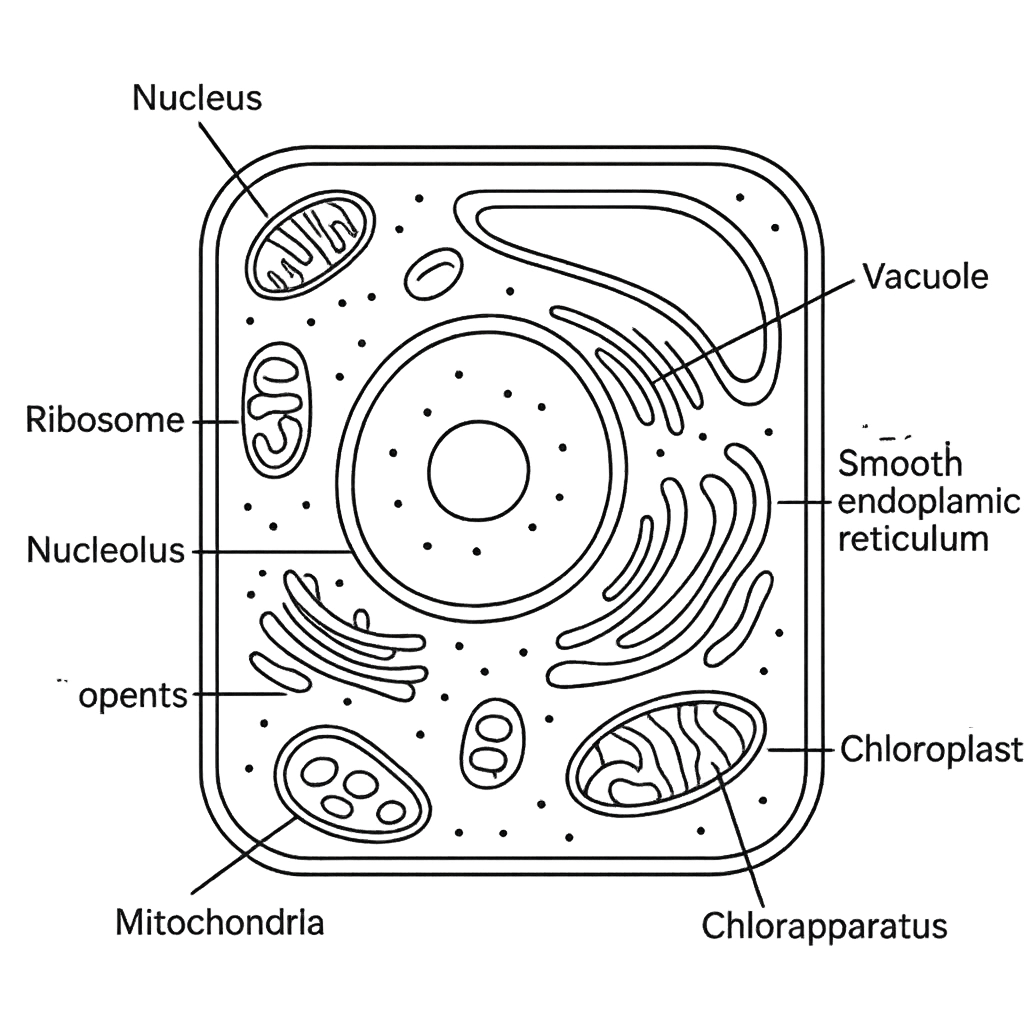
Question 1 View Details
The diagram shows a typical plant cell with several labelled organelles.
Question Parts
(a)
Identify any three labelled structures in the diagram and state the primary function of each.
(b)
Explain how the cell membrane shown in the diagram exhibits selective permeability.
(c)
Using the diagram, compare the presence of a cell wall and chloroplasts in plant cells with their absence in animal cells.
(d)
A mutation disables the synthesis of a key protein in the Golgi apparatus, preventing normal glycosylation of proteins. Predict two possible effects of this defect on the cell’s physiology and explain the reasoning.
Detailed Essay Solution & Marking Scheme Available

Get the step-by-step mathematical proofs, key points required by examiners, and a comprehensive breakdown from our AI Tutor.
Question 2 View Details
The illustration depicts the successive stages of mitosis in a eukaryotic cell.
Question Parts
(a)
List the stages of mitosis in the correct chronological order as shown in the diagram.
(b)
Describe the key events that occur in each of the following stages:
() Prophase
() Metaphase
Detailed Essay Solution & Marking Scheme Available

Get the step-by-step mathematical proofs, key points required by examiners, and a comprehensive breakdown from our AI Tutor.
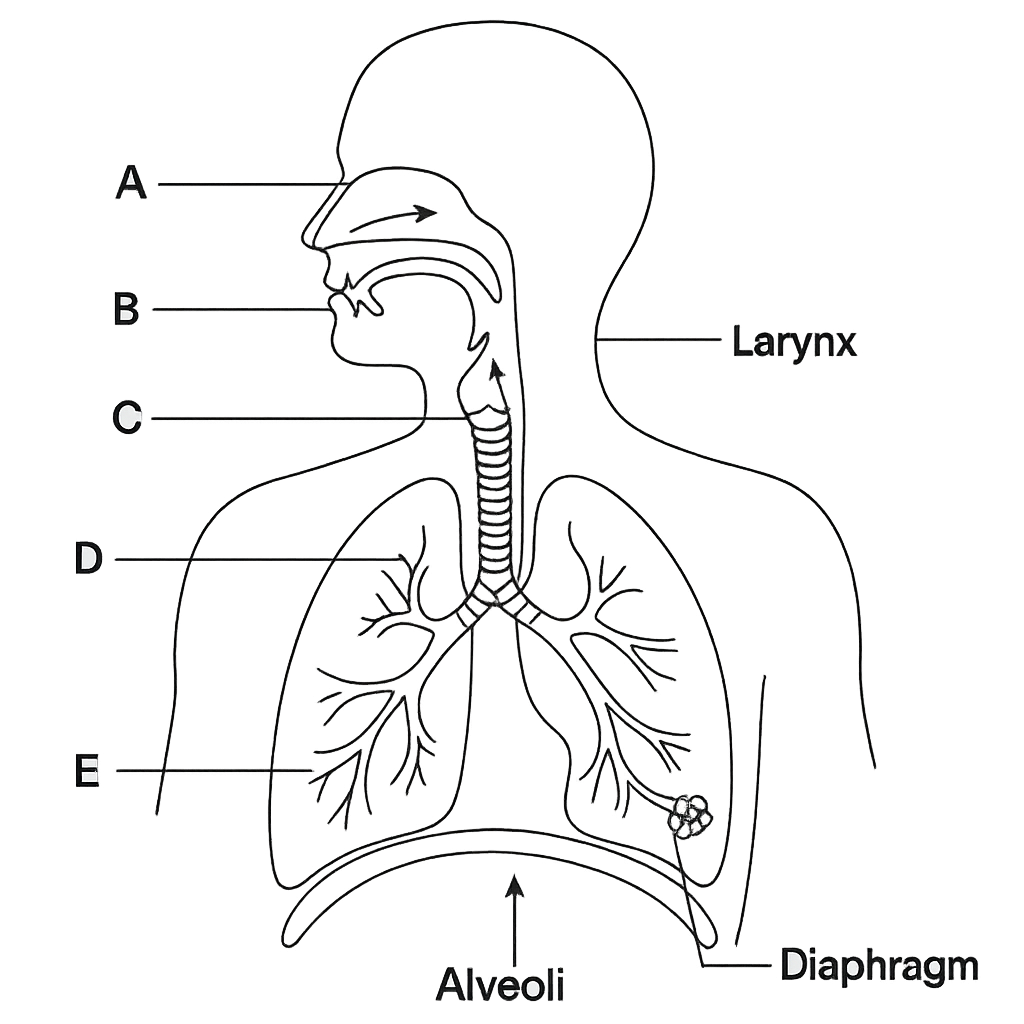
Question 3 View Details
A 15‑year‑old secondary school student consumes the following foods in a typical day: - Boiled rice: 200 g (130 kcal, 2.7 g protein, 0.3 g fat per 100 g) - Grilled chicken breast: 150 g (165 kcal, 31 g protein, 3.6 g fat per 100 g) - Boiled beans: 100 g (127 kcal, 8.7 g protein, 0.5 g fat per 100 g) - Whole milk: 250 ml (62 kcal, 3.2 g protein, 3.5 g fat per 100 ml) - One medium banana (118 g, 105 kcal, 1.3 g protein, 0.4 g fat) The Recommended Dietary Allowances (RDA) for a 15‑year‑old are: Energy = 2500 kcal per day, Protein = 56 g per day, Fat = 70 g per day. Answer the following:
Question Parts
(a)
Calculate the total energy (in kilocalories) supplied by the foods listed.
(b)
Determine the total protein intake (in grams) and express it as a percentage of the RDA for protein.
(c)
Based on the calculated energy and protein intakes, discuss two possible short‑term health effects that may arise if the student continues this diet for several weeks.
Detailed Essay Solution & Marking Scheme Available

Get the step-by-step mathematical proofs, key points required by examiners, and a comprehensive breakdown from our AI Tutor.
Question 4 View Details
The diagram shows the human respiratory system with its major structures labelled A to H.
Question Parts
(a)
Identify each labelled part in the diagram by writing its correct anatomical name.
(b)
Describe, in correct sequential order, the pathway taken by a breath of air from entry to the site of gas exchange.
(c)
Explain the mechanism by which oxygen and carbon dioxide are exchanged between the alveoli and the blood.
(d)
Discuss the two major control mechanisms that regulate the rate and depth of breathing in humans.
Detailed Essay Solution & Marking Scheme Available

Get the step-by-step mathematical proofs, key points required by examiners, and a comprehensive breakdown from our AI Tutor.

Question 5 View Details
The circulatory system transports substances throughout the human body.
Question Parts
(a)
Describe the complete pathway that blood follows from the left ventricle of the heart to the capillary beds of a skeletal muscle and back to the right atrium, naming all major vessels encountered.
(b)
Explain the functional importance of valves in the veins of the lower limbs.
(c)
Identify two factors that influence the rate of diffusion of nutrients across capillary walls and describe how each factor affects the diffusion rate.
(d)
A person suffers a sudden fall in arterial blood pressure due to blood loss. Discuss two physiological adjustments that the body makes to restore adequate blood flow to vital organs.
Detailed Essay Solution & Marking Scheme Available

Get the step-by-step mathematical proofs, key points required by examiners, and a comprehensive breakdown from our AI Tutor.

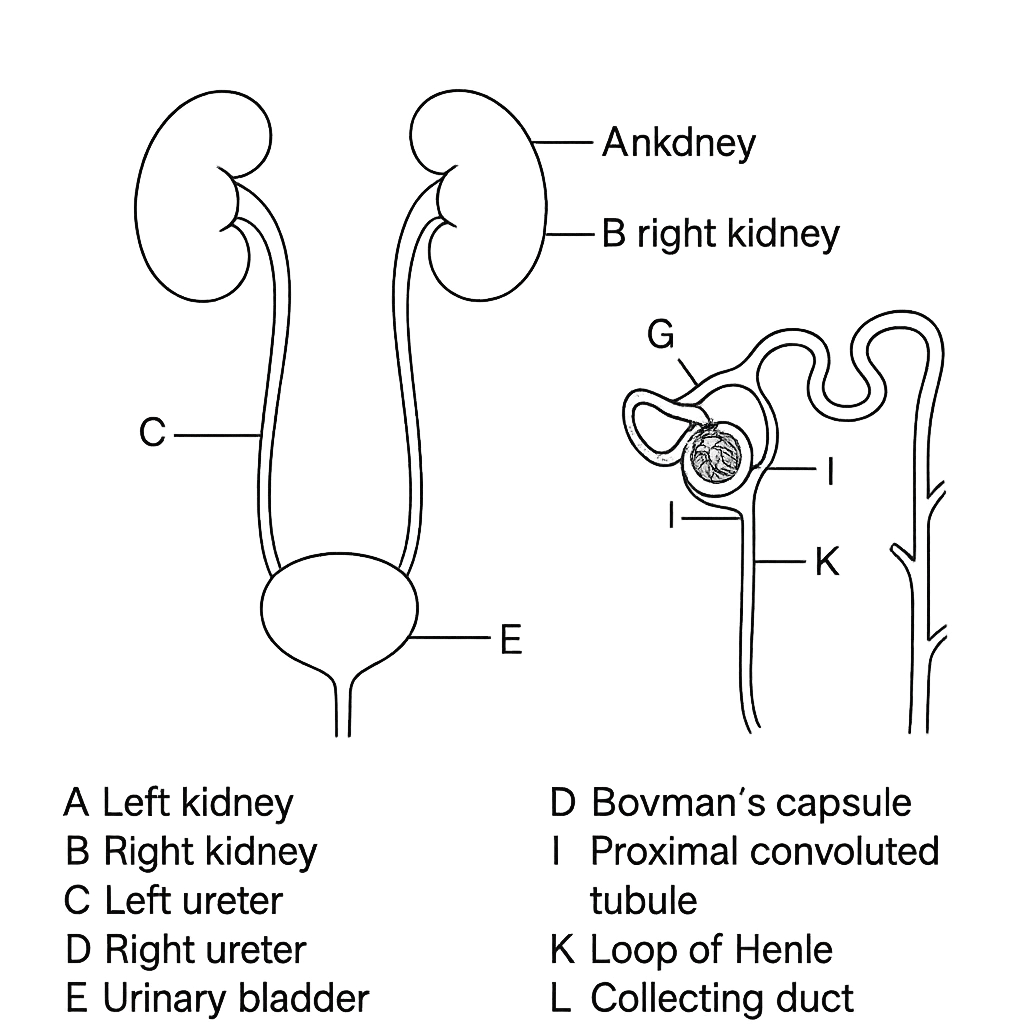
Question 6 View Details
The diagram shows a labelled schematic of the human excretory system, including the kidneys, ureters, urinary bladder, urethra and a detailed nephron.
Question Parts
(a)
Identify the structures labelled A–L in the diagram.
(b)
State the primary function of each of the structures identified in part (a).
(c)
Outline the sequential processes that a volume of blood undergoes as it passes through the nephron to become urine.
(d)
Discuss how the body regulates the volume of urine produced in response to dehydration.
Detailed Essay Solution & Marking Scheme Available

Get the step-by-step mathematical proofs, key points required by examiners, and a comprehensive breakdown from our AI Tutor.

Question 7 View Details
Answer the following questions on the principle of homeostasis in the human body.
Question Parts
(a)
Define homeostasis and describe the four basic components of a negative‑feedback control system.
(b)
Blood glucose concentration is tightly regulated. Outline the hormonal responses that occur when blood glucose falls below the normal range and explain how each hormone contributes to restoring normoglycaemia.
(c)
A patient with a pancreatic tumour has impaired glucagon secretion. Predict the likely effect on fasting blood glucose levels and describe two possible clinical manifestations of this condition.
Detailed Essay Solution & Marking Scheme Available

Get the step-by-step mathematical proofs, key points required by examiners, and a comprehensive breakdown from our AI Tutor.

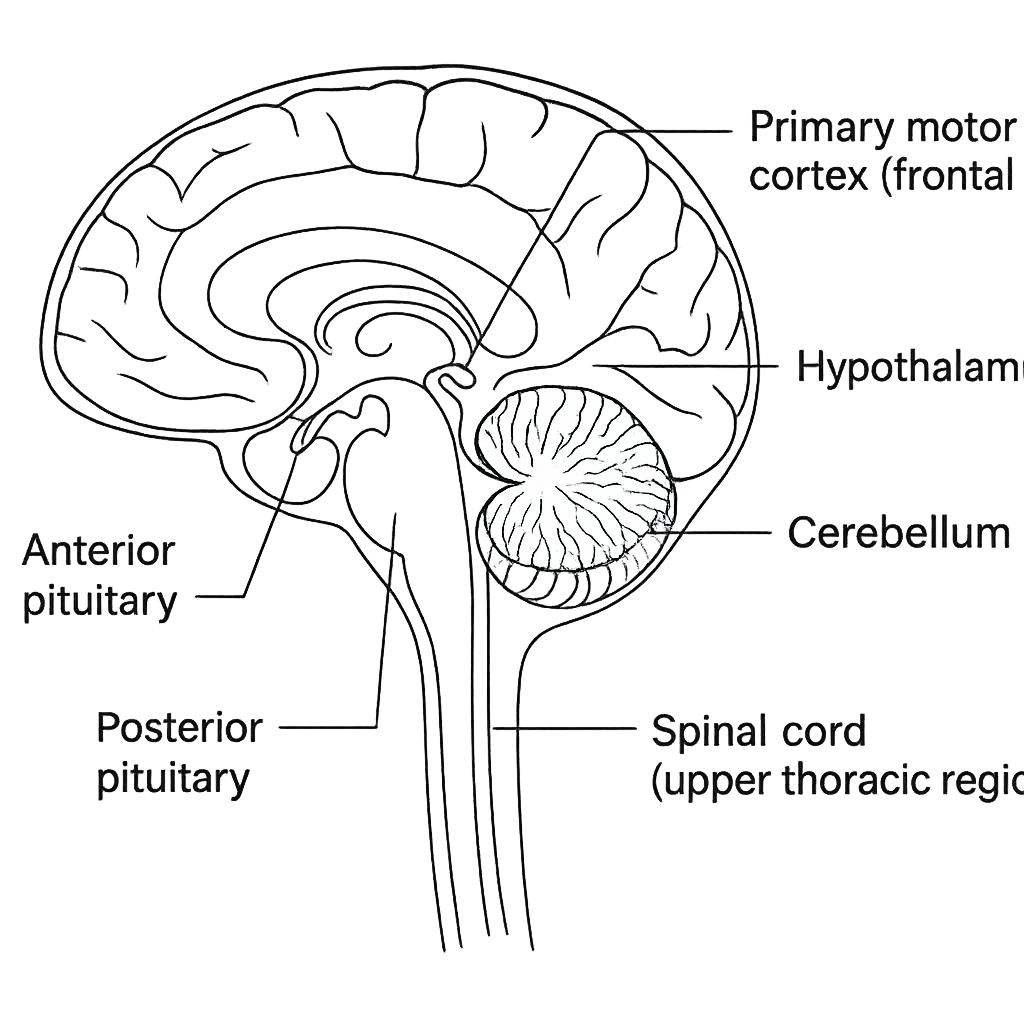
Question 8 View Details
The diagram is a sagittal, labelled illustration of the human brain and pituitary gland. It shows the following labelled structures: (i) Primary motor cortex (frontal lobe), (ii) Hypothalamus, (iii) Cerebellum, (iv) Anterior pituitary, (v) Posterior pituitary, (vi) Spinal cord. Using this diagram, answer the questions that follow.
Question Parts
(a)
Identify the structure labelled (i) and describe its primary function in the coordination of voluntary movement.
(b)
The hypothalamus (labelled ii) regulates the anterior pituitary. Explain the hormonal pathway by which the hypothalamus controls the release of thyroid‑stimulating hormone (TSH), naming the releasing factor involved.
(c)
Damage to the cerebellum (labelled iii) can impair coordination. Discuss two distinct motor deficits that may result from cerebellar injury and explain the neural mechanisms underlying each deficit.
(d)
A sudden drop in blood glucose is detected and corrected through neural and hormonal mechanisms. Using the diagram, outline the sequence of events, naming at least three labelled structures and describing the role of each in restoring normal glucose levels.
Detailed Essay Solution & Marking Scheme Available

Get the step-by-step mathematical proofs, key points required by examiners, and a comprehensive breakdown from our AI Tutor.

Master the Exam!

You've seen a preview, but there are thousands more questions plus AI tutor to break down complex solutions.

Unlock Full Access Available for Android & Windows
Help others prepare! Share this practice hub:
Chat with Support