neco 2020 biology | Essay

Prepare for your exams with neco questions? Reviewing past/model questions is one of the most effective ways to guarantee a high score. This practice hub features authentic 2020 biology (Essay) questions designed to simulate the real exam environment.

Practice these randomly selected questions to test your readiness.
Question 1 View Details
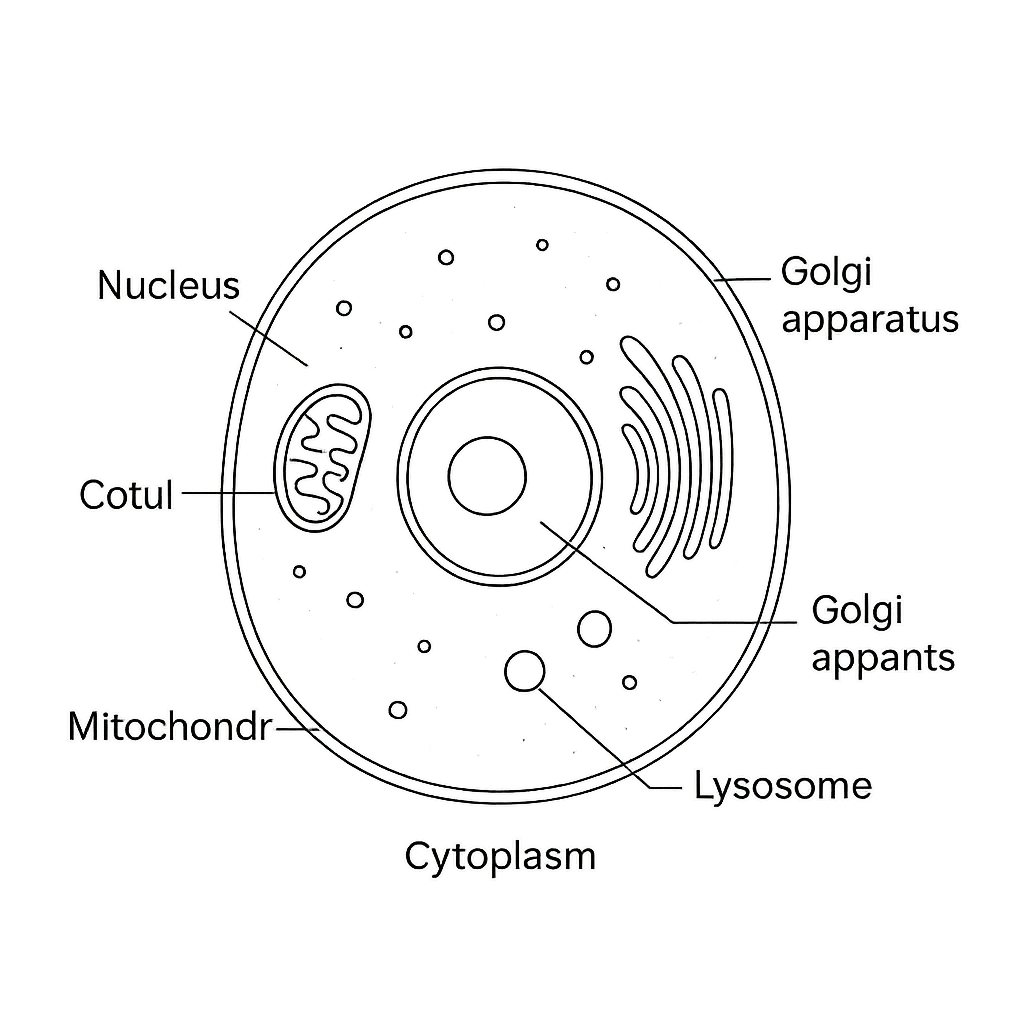
The diagram shows a typical animal cell with several labelled structures.
Question Parts
(a)
Identify the labelled structures in the diagram.
(b)
State the function of the nucleus, mitochondrion and Golgi apparatus.
(c)
Explain how the cell membrane contributes to selective permeability.
Detailed Essay Solution & Marking Scheme Available

Get the step-by-step mathematical proofs, key points required by examiners, and a comprehensive breakdown from our AI Tutor.
Question 2 View Details
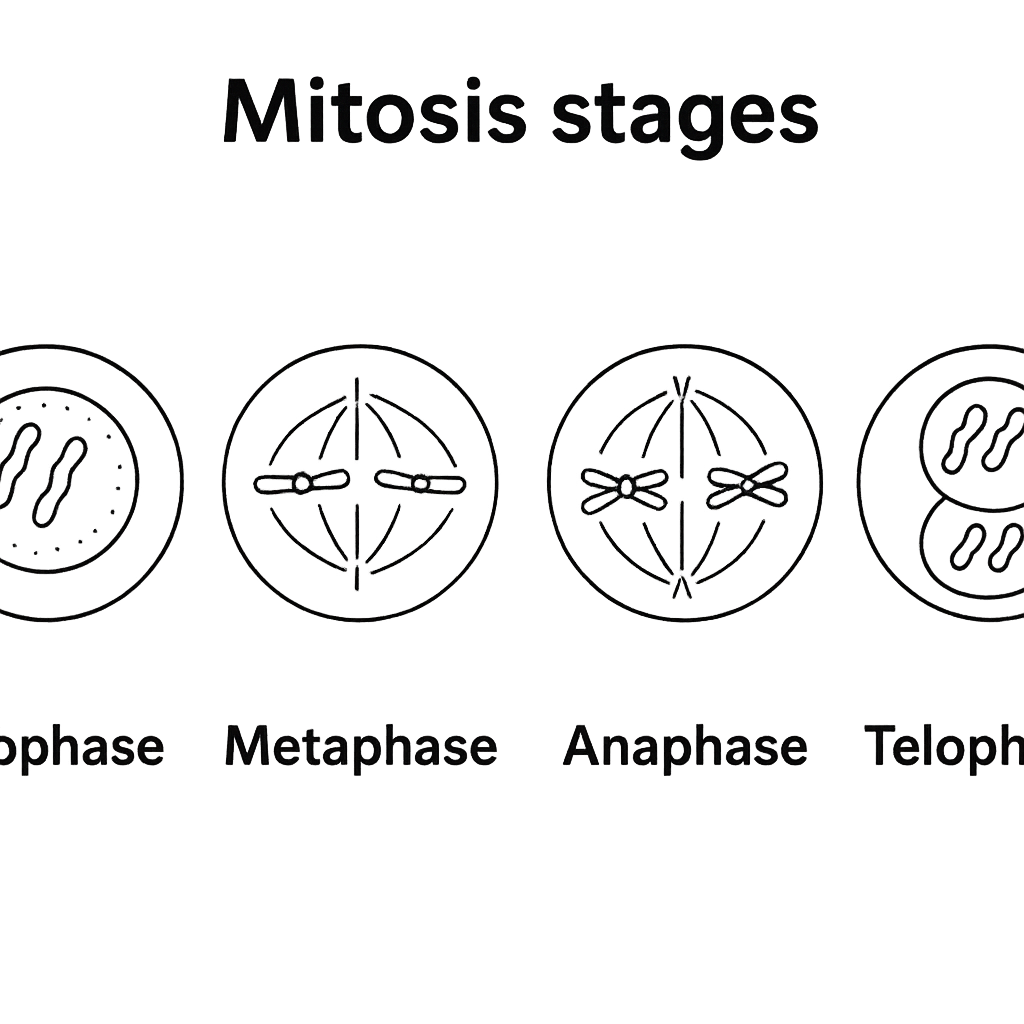
The illustration depicts a typical animal cell undergoing mitosis with the four stages labelled.
Question Parts
(a)
Label the four stages of mitosis shown in the diagram.
(b)
State two key events that occur in each of the four stages you have identified.
(c)
If the total duration of mitosis in this cell is 120 minutes and the proportion of time spent in each stage is: Prophase 30 %, Metaphase 20 %, Anaphase 25 %, Telophase 25 %, calculate the duration (in minutes) of each stage.
Detailed Essay Solution & Marking Scheme Available

Get the step-by-step mathematical proofs, key points required by examiners, and a comprehensive breakdown from our AI Tutor.
Question 3 View Details
The diagram shows a balanced diet plate divided into six food groups as recommended for a typical adult.
Question Parts
(a)
Identify the six food groups shown in the diagram and give two examples of foods for each group.
(b)
The recommended daily energy intake for an adult is 2500 kcal. The plate indicates that 50 % of the calories should come from carbohydrates, 20 % from proteins, 20 % from fats and the remaining 10 % from vitamins/minerals (which are considered negligible in caloric contribution). Given that carbohydrates and proteins each provide 4 kcal g⁻¹ and fats provide 9 kcal g⁻¹, calculate the approximate grams of each macronutrient the adult should consume per day.
(c)
Explain how the digestion and absorption of each macronutrient occurs, referencing the relevant organs shown in the diagram.
(d)
A student consumes the following in a day: 300 g of rice (mainly carbohydrate), 150 g of chicken breast (protein source), 70 g of oil (fat), and 200 g of mixed vegetables (carbohydrate and fibre). Using the calculations from part (b), assess whether the student's diet meets, exceeds, or falls short of the recommended macronutrient intake, and discuss possible health implications of the observed pattern.
Detailed Essay Solution & Marking Scheme Available

Get the step-by-step mathematical proofs, key points required by examiners, and a comprehensive breakdown from our AI Tutor.
Question 4 View Details
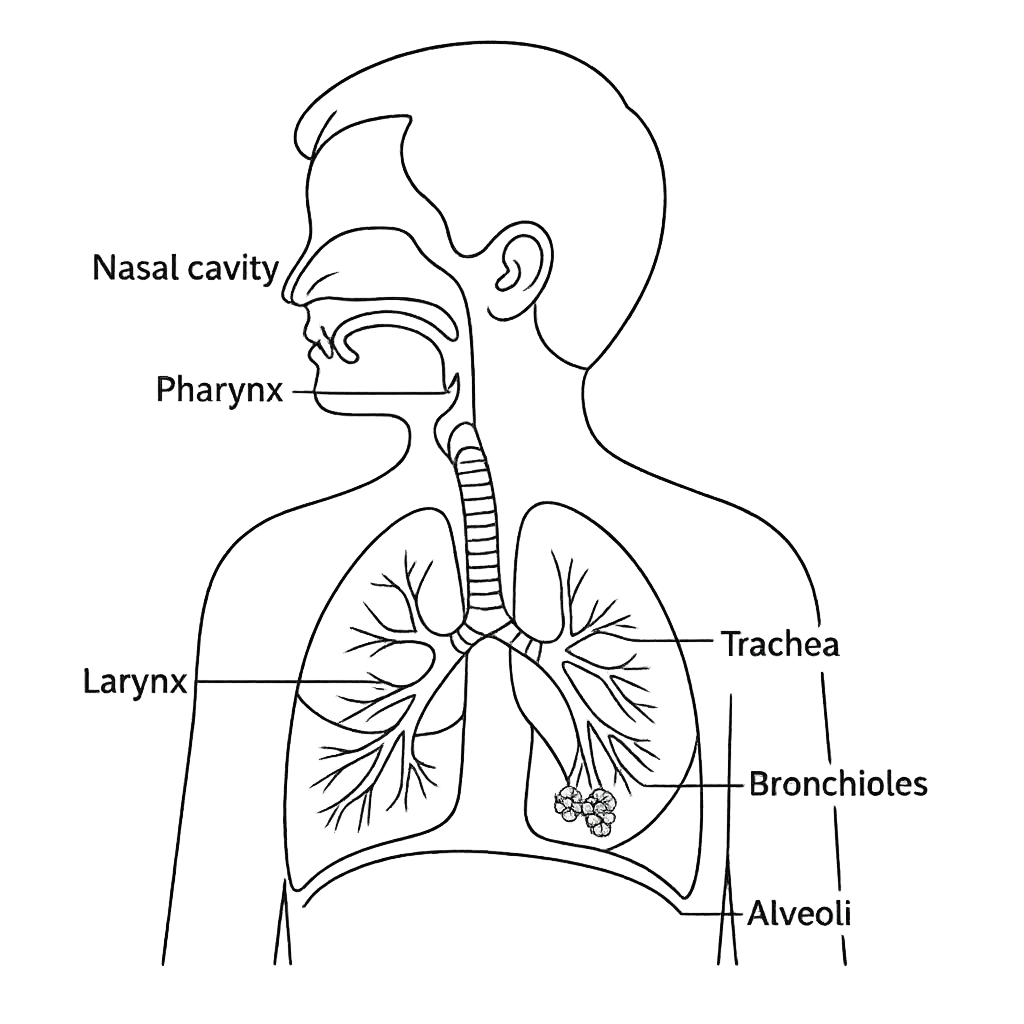
The diagram shows the human respiratory system with its major structures labelled.
Question Parts
(a)
Describe the complete pathway that air follows from the external environment to the site of gas exchange, naming each structure it passes through.
(b)
Explain how the structural features of the alveoli enable efficient gas exchange.
(c)
During quiet breathing the diaphragm contracts and moves downward. Using the diagram, explain how this movement alters the volume of the thoracic cavity and the pressure changes that result in airflow into the lungs.
(d)
A patient suffers from chronic obstructive pulmonary disease (COPD). Based on the diagram, discuss two structural changes that occur in the respiratory system in COPD and how these changes impair ventilation.
Detailed Essay Solution & Marking Scheme Available

Get the step-by-step mathematical proofs, key points required by examiners, and a comprehensive breakdown from our AI Tutor.
Question 5 View Details
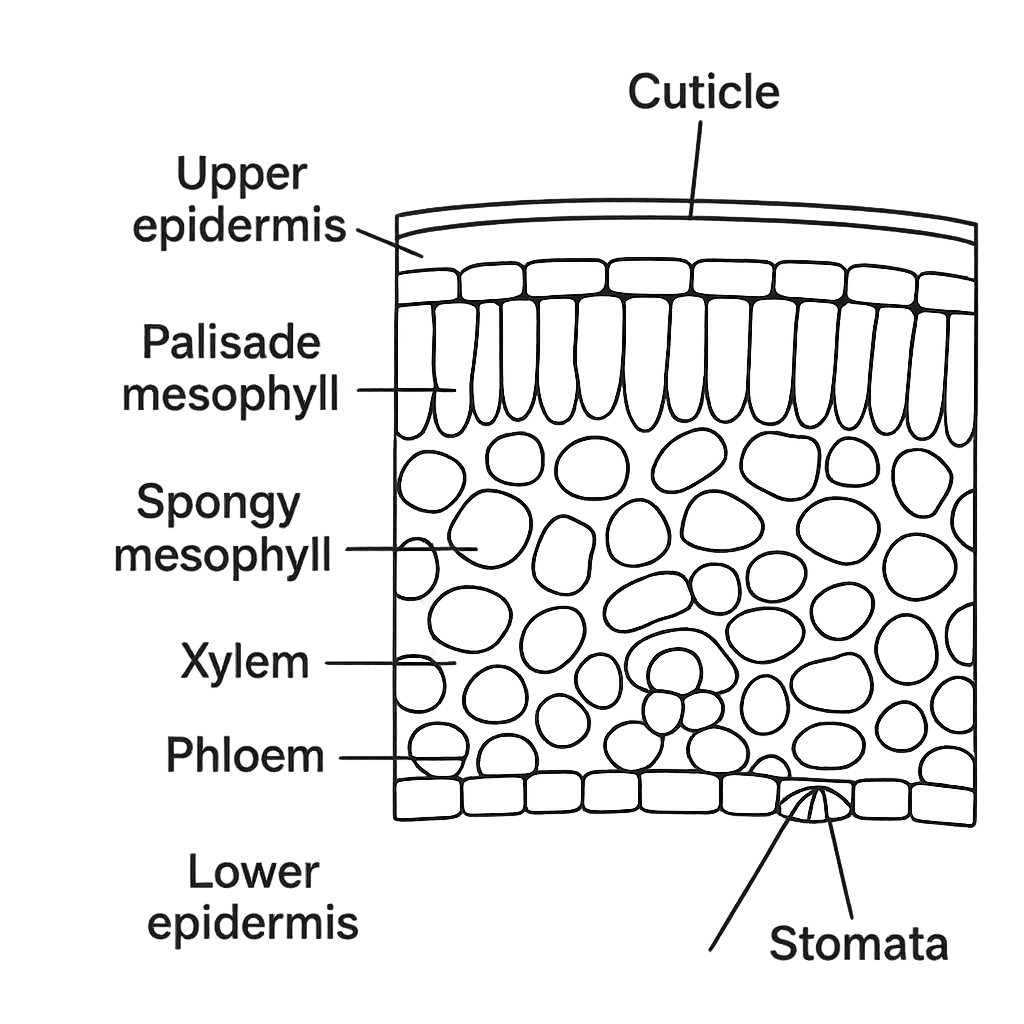
The diagram shows a transverse section of a dicot leaf with labelled structures involved in the transport of water and nutrients.
Question Parts
(a)
Identify and write the correct label for each structure that participates in the transport of water and mineral nutrients from the roots to the leaf.
(b)
Explain, using the labelled structures, the complete pathway of water from the soil to the interior of the leaf. Include the physical forces that drive each step.
(c)
A leaf of this species has an area of 50 cm². The average stomatal conductance (gₛ) measured during a sunny day is 0.20 mol m⁻² s⁻¹ and the ambient vapour pressure deficit (VPD) is 1.5 kPa.\n\n(i) Calculate the instantaneous transpiration rate (E) in mmol m⁻² s⁻¹ using the relation E = gₛ × VPD (where 1 kPa ≈ 1 mol m⁻³).\n(ii) Determine the total amount of water (in millimoles) lost from the leaf per second.
(d)
Discuss two morphological or physiological adaptations that plants exhibit to reduce excessive water loss, linking each adaptation to features shown in the diagram.
Detailed Essay Solution & Marking Scheme Available

Get the step-by-step mathematical proofs, key points required by examiners, and a comprehensive breakdown from our AI Tutor.

Question 6 View Details
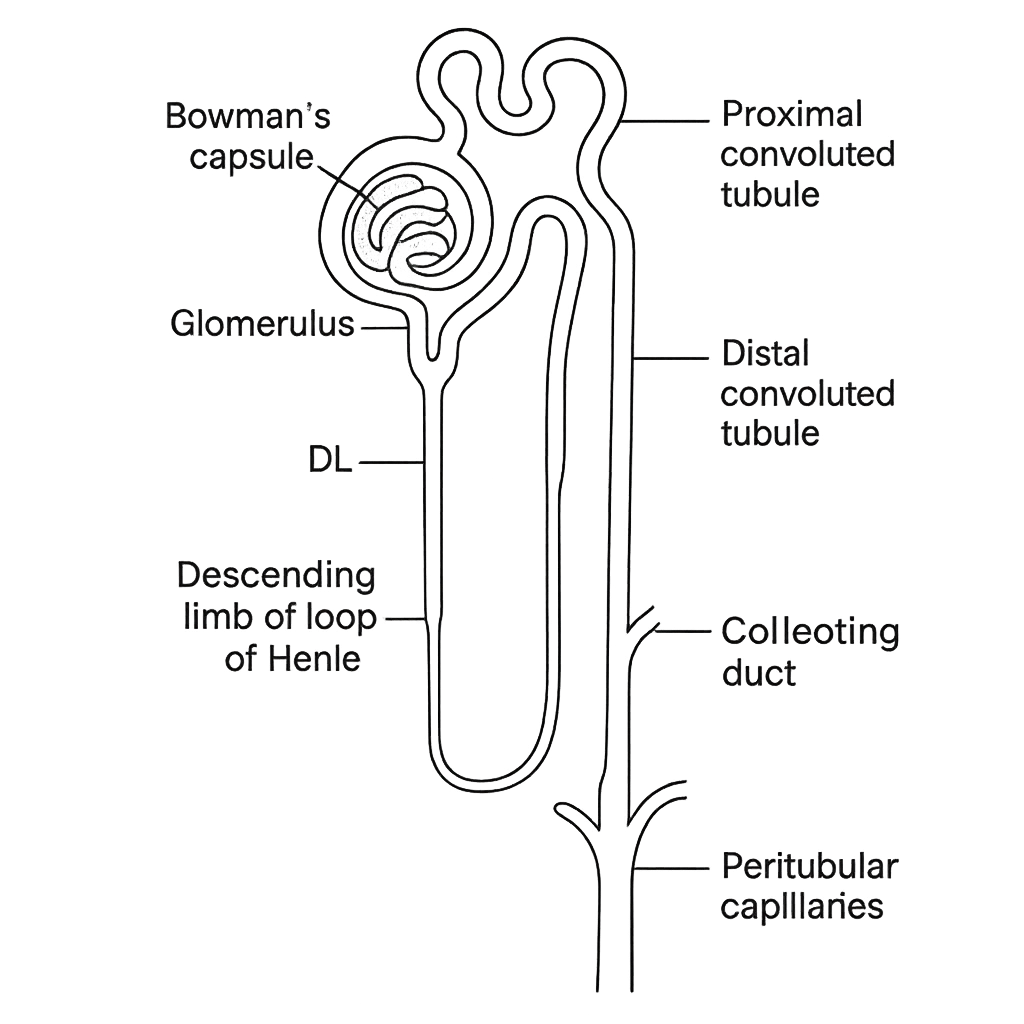
The diagram shows a cross‑section of a human nephron, the functional unit of the kidney, with the parts labelled as follows: BC (Bowman's capsule), G (Glomerulus), PCT (Proximal Convoluted Tubule), DL (Descending Limb of the Loop of Henle), AL (Ascending Limb of the Loop of Henle), DCT (Distal Convoluted Tubule), CD (Collecting Duct) and PC (Peritubular Capillaries).
Question Parts
(a)
Describe the complete pathway that the filtrate follows from its entry into the nephron until it reaches the collecting duct, naming each structure it passes through.
(b)
Explain the specific role of the descending limb and the ascending limb of the loop of Henle in the concentration of urine, indicating the type of transport that predominates in each segment.
(c)
If the glomerular filtration rate (GFR) is 120 mL min⁻¹ and 65 % of the filtrate is re‑absorbed in the proximal convoluted tubule, 15 % in the loop of Henle and 10 % in the distal convoluted tubule, calculate the volume of urine (in mL) that reaches the collecting duct each minute.
(d)
The hormone antidiuretic hormone (ADH) increases the water‑permeability of the collecting duct. Discuss how ADH modifies the final urine volume and concentration, linking your explanation to the structures shown in the diagram.
Detailed Essay Solution & Marking Scheme Available

Get the step-by-step mathematical proofs, key points required by examiners, and a comprehensive breakdown from our AI Tutor.

Question 7 View Details
A 16‑year‑old student measured his blood glucose concentration after a carbohydrate‑rich meal. The reading was 9 mmol/L immediately after eating and fell to 5 mmol/L two hours later. Using this information, answer the following questions.
Question Parts
(a)
Describe the sequence of events that bring the blood glucose level from 9 mmol/L to 5 mmol/L.
() Identify the primary hormone released and the main target cells involved.
() Explain how this hormone promotes glucose uptake and storage.
(b)
Explain why the regulation of blood glucose in this situation exemplifies a negative‑feedback mechanism. In your answer, name the sensor, the control centre and the effector.
(c)
Predict the likely blood glucose concentration and the symptoms the student would experience if the pancreatic β‑cells were destroyed (type 1 diabetes) and he ate the same meal. Justify your prediction.
Detailed Essay Solution & Marking Scheme Available

Get the step-by-step mathematical proofs, key points required by examiners, and a comprehensive breakdown from our AI Tutor.

Question 8 View Details
A frog is startled when a small insect lands on the dorsal surface of its thigh. The frog quickly jumps away. Using this scenario, answer the following questions.
Question Parts
(a)
Outline the neural pathway that conveys the tactile stimulus from the skin to the contraction of the hind‑limb muscles that produce the jump.
() Name the type of receptor that detects the touch.
() Identify the afferent (sensory) neuron, the central processing unit and the efferent (motor) neuron involved.
() State the type of muscle fibre that contracts to generate the rapid jump.
(b)
Explain how the speed of this response is achieved, referring specifically to synaptic transmission and the role of the spinal cord.
(c)
If the frog’s spinal cord were transected at the lumbar region, describe how its ability to respond to the same stimulus would change. Indicate which components of the pathway would be lost and the expected behavioural outcome.
Detailed Essay Solution & Marking Scheme Available

Get the step-by-step mathematical proofs, key points required by examiners, and a comprehensive breakdown from our AI Tutor.

Master the Exam!

You've seen a preview, but there are thousands more questions plus AI tutor to break down complex solutions.

Unlock Full Access Available for Android & Windows
Help others prepare! Share this practice hub:
Chat with Support