UTME 2023 Biology | Objective

Practice these randomly selected questions to test your readiness.

Question 1
One example of fossil fuels is
A. limestone
B. coral
C. coal
D. firewood.
Question 2
Yellowing of leaves is a symptom associated with deficiency of
A. iron, calcium and magnesium
B. nitrogen, sulphur and potassium
C. sulphur, phosphorus and iron
D. magnesium, nitrogen and iron.
Question 3
The anatomical evidence usually used in support of the evolutionary relationship among whales, humans, birds, and dogs is the possession of
A. thick skin
B. pentadactyl limb
C. tail
D. epidermal structures.
Question 4
The transmission of impulses along a nerve fibre is characterized by
A. hormonal and temperature changes
B. electrical and ionic changes
C. hormonal changes
D. electrostatic changes.
Question 5
Parental care is exhibited by
A. snails
B. earthworms
C. birds
D. toads
Question 6
When it is cold, the blood vessels of the skin
A. dilate to increase the amount of blood flowing to the skin
B. constrict to reduce the amount of blood flowing to the skin
C. dilate to reduce the amount of blood flowing to the skin
D. constrict to increase the amount of blood flowing to the skin.
Question 7
Hassan and Hussain are identical twins but Hassan grows taller and fatter than Hussain. This is probably because
A. Hassan inherits genes for tallness and fatness from the father
B. they have dissimilar genotypes
C. Hussain is endowed with genes for shortness and thinness
D. different environments.
Question 8
The removal of a man's pancreas by surgical operation can affect only the digestion of
A. starch
B. starch, protein and fats
C. oils and fats
D. proteins.
Question 9
The centre for learning and memory in the human brain is the
A. medulla oblongata
B. cerebellum
C. cerebrum
D. olfactory lobe.
Question 10
During thunderstorms the energy of lightning discharge causes
A. oxygen and nitrogen to combine
B. more carbon(II) oxide to be formed
C. nitrites to be converted to nitrates
D. nitrates to be converted to nitrogen.
Question 11
Samples of different soil types are packed in glass tubes whose lower ends are plugged with cotton wool, if these tubes are suspended in a trough of water, water will rise highest after a few hours in
A. sand
B. loam
C. clay
D. humus.
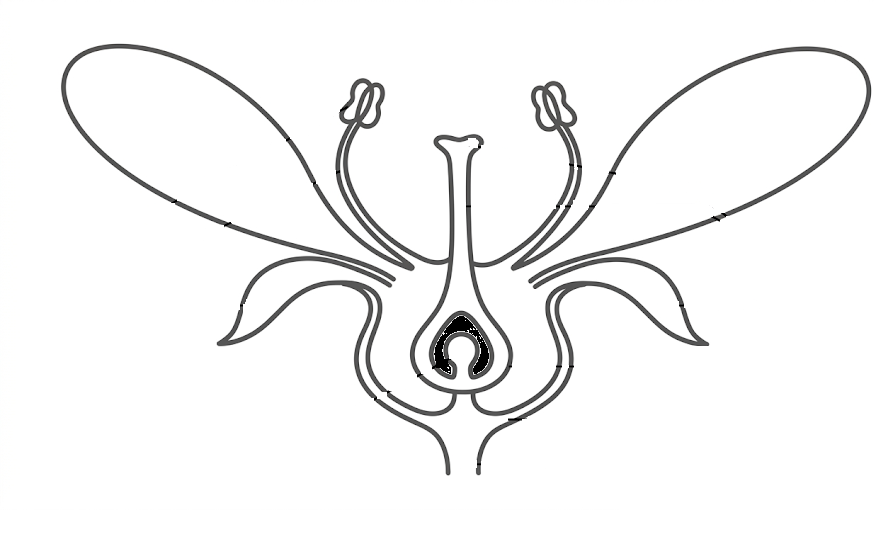
Question 12
The flower shown above is
A. complete, regular, hermaphroditic with superior ovary
B. incomplete, regular, hermaphroditic with inferior ovary
C. complete, regular, hermaphroditic with inferior ovary
D. incomplete, irregular, pistillate with superior ovary.
Question 13
Excretory products responsible for the red, purple and blue colours of flowers are called
A. alkaloids
B. tannins
C. anthocyanins
D. resins.
Question 14
Which of the following animals can exist solely on the water they get from food and metabolic reactions?
A. Forest arboreal dwellers.
B. Desert dwellers.
C. Forest ground dwellers.
D. Rainforest dwellers.
Question 15
28 g soil sample was heated to a constant weight of 24 g. When further heated to red hot and cooled, it weighed 18 g. What is the percentage of humus in the soil?
A. 22.2
B. 55.6
C. 75.0
D. 25.0

Master the Exam!

You've seen a preview, but there are thousands more questions plus AI tutor to break down complex solutions.

Unlock Full Access Available for Android & Windows
Help others prepare! Share this practice hub: